Luxa journal · manufacturing guide
Facial Cleansing Bar vs Soap: Formulation, pH and Product Development
Learn how a facial cleansing bar differs from traditional soap, and how pH, surfactants, format, packaging and claims shape a modern solid cleanser.

In this guide
- 01Soap and syndet are formulation categories
- 02Start with the intended skin experience
- 03Brief pH and surfactants together
- 04Design the bar as an object
- 05Plan packaging for moisture and information
- 06A practical development checklist
- 07Select surfactants and structure as one system
- 08Test lather, rinse and after-feel with a repeatable method
- 09Validate bar integrity through shipping and wet use
- 10Position and launch the bar without overclaiming
A facial cleansing bar and a traditional soap bar can look almost identical on a shelf. Chemically and experientially, they may be very different. For a beauty brand, that distinction affects pH, surfactant choice, lather, after-feel, claims and the way the product should be tested. The brief should begin with the cleansing system and customer experience, not the rectangular shape.
Every product is shaped by its formula, claims, packaging, target market and sales channel. Use this guide to prepare a sharper manufacturing conversation, then confirm technical, legal and regulatory requirements for your specific launch.
At a glance
Facial-bar development essentials
Specify
Soap, syndet or another cleansing system
Evaluate
pH, lather, rinse and after-feel together
Test through
Repeated wet-dry use and humid storage
Claim from
Finished-product evidence, not bar shape
01
Soap and syndet are formulation categories
Distinguish true soap from syndet
Traditional soap is produced from the reaction of fats or oils with an alkali. Synthetic detergent bars, commonly called syndet bars, use selected surfactants and can be designed closer to the skin’s mildly acidic range. A research review reports typical soap pH around 8.5 to 11, while syndet bars are often around pH 5.5 to 7.
Avoid judging mildness by category alone
That does not make every syndet gentle or every soap unsuitable. Surfactant blend, concentration, rinsing, fragrance, supporting ingredients and individual use all matter. It does mean a brief should say whether the brand wants true soap, a syndet bar or another solid system. “Facial bar” alone is not a technical instruction.
02
Start with the intended skin experience
Turn sensory language into sample criteria
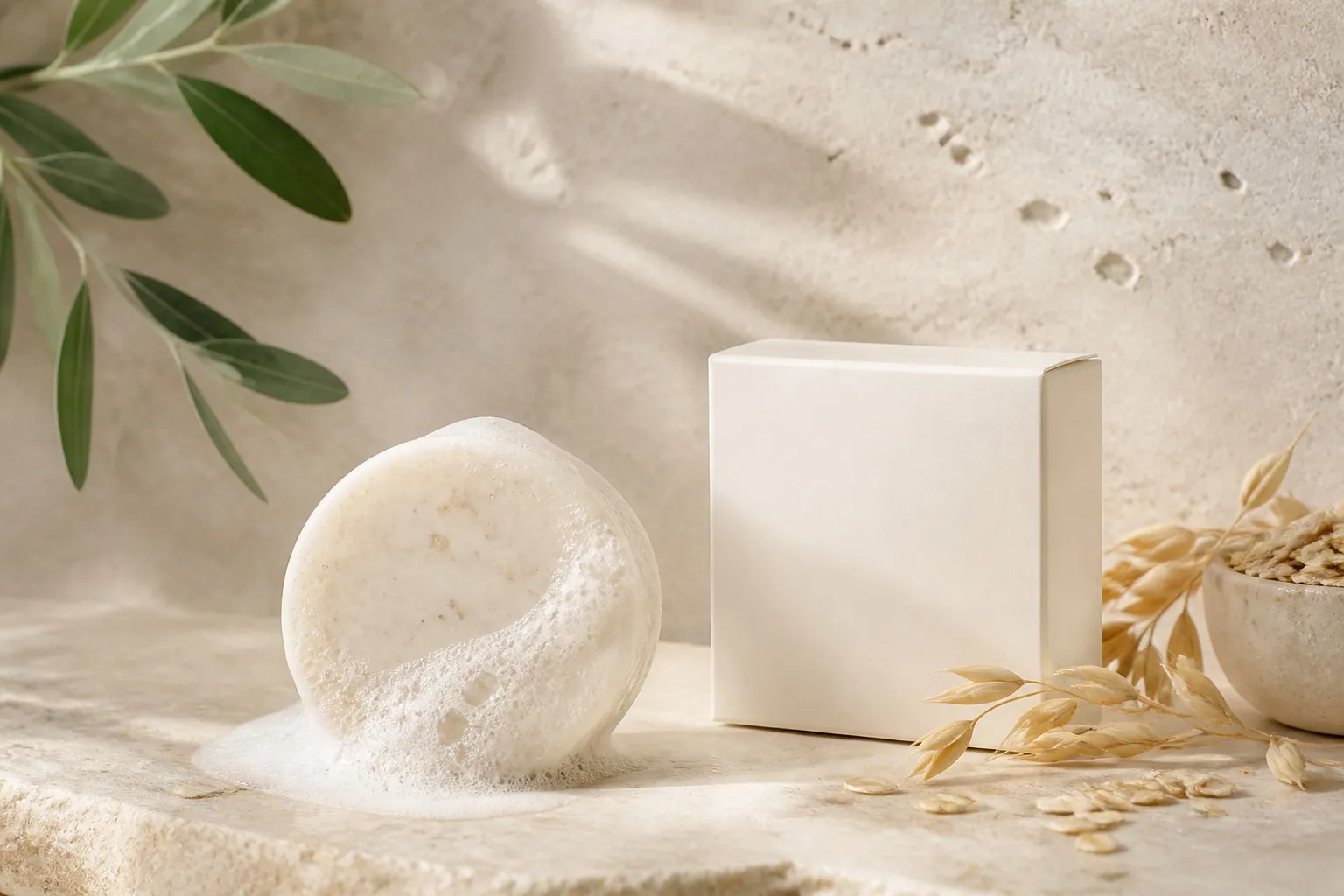
Define what the customer should feel during and after cleansing. Is the goal a creamy low-foam wash, a richer lather, easy makeup removal or a compact travel cleanser? How much slip should the bar have, how quickly should it rinse and what after-feel is acceptable? Sensory language should become sample criteria.
Use ingredient stories without losing the base system
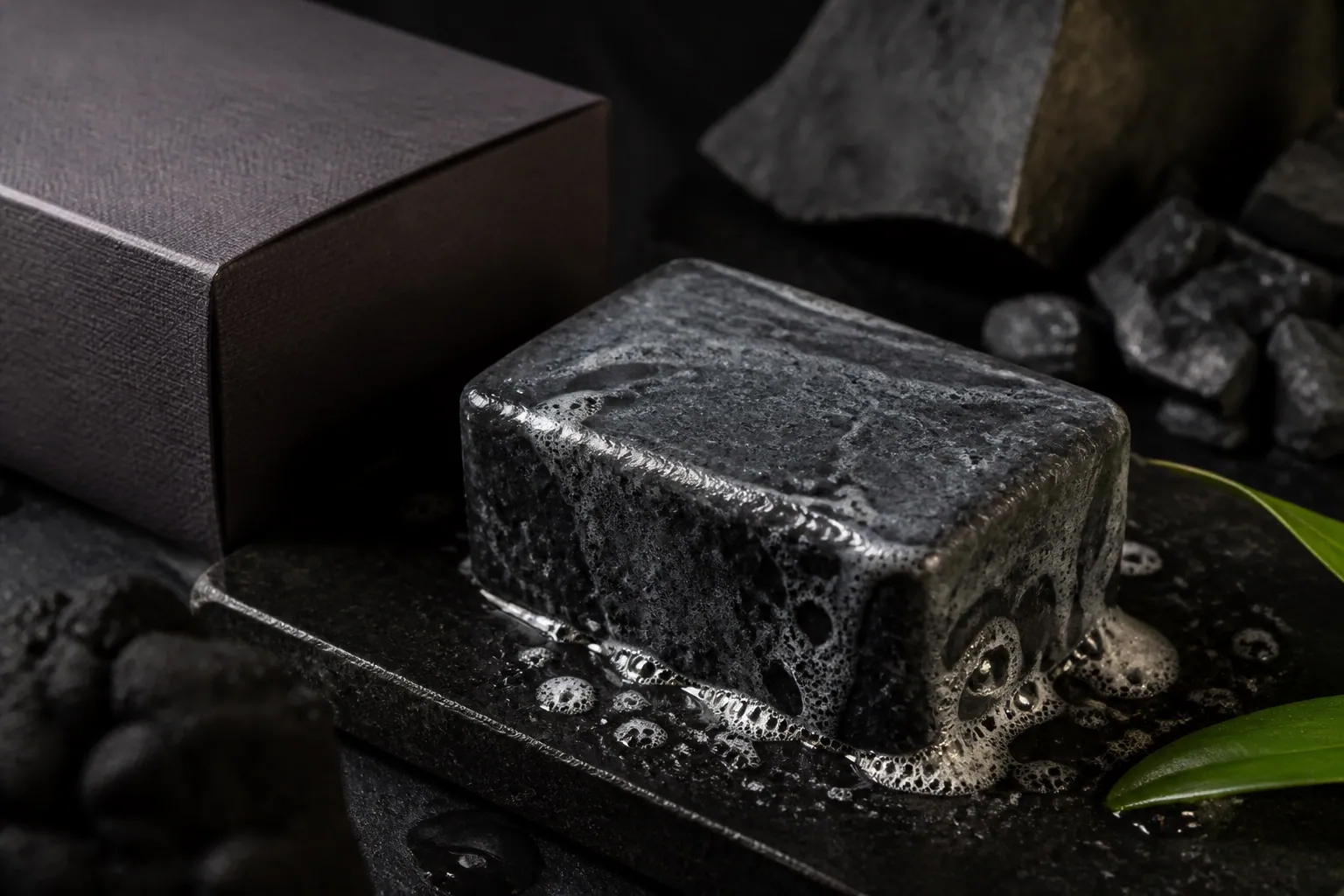
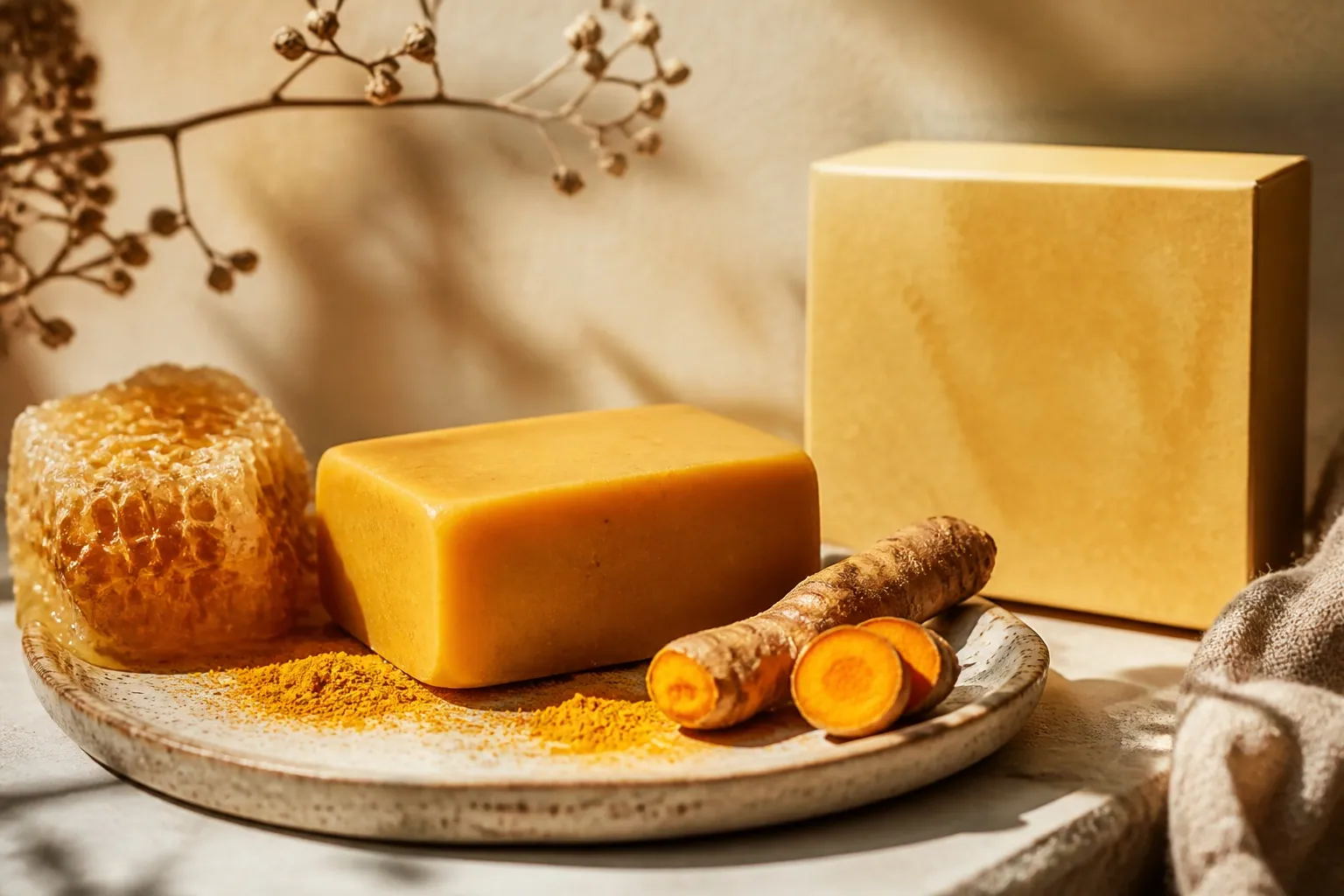
A targeted ingredient story does not replace the base system. Luxa’s botanical cleansing bar can support an ingredient-led concept, while the exfoliating black soap and turmeric and honey soap show other directions. Final suitability and claims depend on the developed formula.
03
Brief pH and surfactants together
Connect pH with the complete surfactant system
Research comparing soap and syndet systems links high-pH true soap with greater potential to disturb barrier-related measures, while well-designed syndets can be adjusted closer to skin pH. The useful question is not “Can we print pH balanced?” It is “Which tested cleansing system delivers the intended cleansing and tolerance profile?”
Define the measurement and specification
Ask how pH is measured, what specification applies, which surfactants create the system and how fragrance or botanical additions affect the formula. Avoid describing a bar as suitable for sensitive or compromised skin without appropriate substantiation and qualified review.
| Decision area | Traditional soap | Syndet facial bar |
|---|---|---|
| Cleansing base | Salts of fatty acids produced through saponification. | Selected synthetic surfactants and structural materials. |
| Typical pH direction | Usually alkaline, with the exact result formula-dependent. | Can often be designed closer to the mildly acidic skin range. |
| Sensory opportunity | Recognisable lather and traditional soap character. | Broader control of foam, rinse and post-wash feel. |
| Development proof | Finished pH, lather, wear, stability and claim review. | Finished pH, surfactant mildness, wear, stability and claim review. |
04
Design the bar as an object
Engineer dimensions, hardness and wear
Hardness, edge profile, size, weight and drying behaviour shape repeat use. An oversized bar may become slippery. A soft bar may wear quickly in a humid shower. A deeply embossed mark may disappear after a few uses. These are product decisions that belong in the sample review.
Repeat the wet-dry cycle before approval
Run repeated wet-dry cycles and assess cracking, swelling, colour movement, fragrance change, lather and residue. Include the intended dish, carton or wrap. A customer who cannot store the bar cleanly may blame the formula for a packaging problem.
05
Plan packaging for moisture and information
Protect the bar through distribution and use
Solid products can reduce the need for a bottle, but they still need protection through filling, transport, retail and use. Paper selection, inner wrap, coating, carton structure and ventilation should reflect the formula and route to market. Ecommerce adds abrasion, heat and crush risks that are absent from a studio photograph.
Reserve enough label area for the destination market
The label area must still carry information required for the destination market. In the United States, cosmetic identity, net quantity, business information and ingredient declaration are among the core considerations. Product listing and safety-substantiation responsibilities under MoCRA should also be allocated before launch.

06
A practical development checklist
Issue a complete technical and commercial brief
A useful bar brief names the cleansing system, customer, use area, target pH range, lather, after-feel, fragrance stance, colour, weight, shape, storage, pack, market and claim boundary. It also identifies which version is being approved and how the finished product will be evaluated after realistic use.
Choose the sourcing route after the system is clear
When the concept is clear, compare a faster private label skincare route with OEM or ODM development. Bring reference products for sensory discussion, but explain what each reference communicates rather than asking for an unexamined copy.
- True soap, syndet or another solid cleansing system
- Target skin experience and rinse profile
- pH and finished-formula specification
- Bar dimensions, hardness and wet-use behaviour
- Primary wrap, carton and storage instructions
- Target market, approved claims and safety evidence
07
Select surfactants and structure as one system
Balance cleansing with physical structure
A syndet bar must cleanse, foam and rinse while remaining solid through manufacture, shipping and use. Surfactant choice affects cleansing strength, foam character and irritation potential, while binders, fatty materials, humectants and fillers affect hardness, glide and wear. Optimising one variable in isolation can create a bar that performs in the beaker but fails in the shower.
Design for the real use frequency
Define the customer and use frequency before choosing the system. A daily facial cleanser, an occasional deep-cleansing bar and a makeup-removal first step require different cleansing and sensory priorities. State whether the product is intended for the face only or for broader use, because bar size, dose, fragrance and claim boundaries may change.
Give every addition a technical purpose
Ingredient additions need a technical purpose and a realistic level. Powders, clays, botanicals and exfoliating particles can change colour, lather, abrasion, hardness and drainage. An ingredient that looks persuasive in a concept board may destabilise the physical bar or create an experience that conflicts with the intended customer.
Approve the complete finished formula
Review the complete prototype at the target pH and fragrance level. Fragrance can influence perceived cleanliness, but it can also complicate suitability language. Colour movement, odour change and surface bloom should be assessed over time. Approve a named formula version rather than a general “charcoal” or “botanical” direction.
- Surfactant system and target cleansing level.
- Structural materials, hardness and wear target.
- Fragrance, colour and botanical impact.
- Face-only or multi-use positioning.
- Finished-formula pH and specification.
08
Test lather, rinse and after-feel with a repeatable method
Standardise the lather assessment
Lather photographs are not a sufficient performance test. Define water amount, temperature, rubbing time and dose so samples can be compared consistently. Record foam speed, bubble character, creaminess, cushion and collapse. A product can create abundant foam while rinsing slowly or leaving an after-feel the target customer dislikes.
Test inside the intended routine
Assess cleansing in the intended context. Sunscreen, makeup, oil and hard-water conditions can change the experience. The goal is not to make universal removal claims from a small test, but to understand where the product fits in a routine. Directions may need to explain whether the bar is a single cleanse or part of a double-cleansing sequence.
Measure after-feel over time
After-feel should be recorded at defined intervals, not only immediately after rinsing. Ask assessors about tightness, residue, softness and comfort, while recognising that perception varies. Pair sensory feedback with instrumental or technical measures selected by qualified teams where appropriate. Neither a single panel nor one pH result proves broad suitability.
Use benchmarks with controlled criteria
Compare the bar against a benchmark with annotated criteria. State what should match and what should differ. Blind or coded review can reduce packaging bias during development. Keep sample identity, age and storage condition visible in the record so a fresh prototype is not compared casually with a bar that has already completed repeated-use testing.
09
Validate bar integrity through shipping and wet use
Separate dry stability from wet durability
Dry stability and wet-use durability answer different questions. Store finished bars under the planned stability conditions, then run repeated wet-dry cycles that reflect customer handling. Monitor weight loss, cracking, swelling, warping, colour bleed, scent change, surface softness and the time required to dry between uses.
Test the storage solution with the bar
Test the intended wrap, carton and storage accessory. A coating may protect the bar before sale but trap moisture after opening. A dish may look elegant while holding standing water. If a customer needs to supply a special storage solution, the instructions and product page should make that requirement clear before purchase.
Simulate the distribution route
Ecommerce validation should include abrasion, compression, vibration, heat and humidity relevant to the route. Inspect bar edges, carton finish and contamination barriers after transit. A cracked but usable bar may still create a premium-brand failure, so acceptance criteria should include customer presentation as well as formula integrity.
Control physical and packaging changes
Maintain change control for mould, dimensions and packaging. A slight weight or edge-profile change can affect drying and perceived value. A new paper, coating or inner wrap can change moisture behaviour. Reopen the relevant checks when the finished system changes instead of assuming earlier bar data transfers automatically.
10
Position and launch the bar without overclaiming
Choose one clear purchase reason
Choose a primary reason to buy: compact travel cleansing, a low-bottle routine, a particular lather character or an ingredient-led sensorial story. Do not rely on “natural,” “detox” or “chemical-free” language to replace a product benefit. Claims should be specific, understandable and supportable for the finished bar in the destination market.
Describe the system accurately
Explain the system in customer language without confusing category and performance. If the bar is a syndet, the product page can describe the cleansing format and tested sensory experience. If it is true soap, do not imply a syndet pH profile. Avoid universal sensitive-skin language unless the formulation, testing and qualified review justify it.
Teach storage and expected wear
Merchandise the product with use and storage education. Show normal lather, expected bar size, how to keep it dry and how long it may last under defined assumptions. Clear photography and directions reduce the gap between a pristine product image and the changing object a customer sees after repeated use.
Use first-run feedback to improve the brief
Review first-run complaints by category: breakage, melting, scent, lather, residue, tightness, storage and packaging. Connect each pattern to formula, instructions, fulfilment or positioning before reordering. When the brief is ready, share the cleansing system, target pH, sensory criteria, pack and market with LUXA for a focused development discussion.
- Primary benefit and intended user.
- Accurate cleansing-system description.
- Substantiated cosmetic claims and directions.
- Wet-storage education and realistic imagery.
- Complaint categories reviewed before reorder.
Make the next step useful
Bring the right details to your first product conversation.
Share your product category, target market, packaging direction, expected quantity and timing. Luxa can help turn those inputs into a more practical development route.
Discuss your product brief