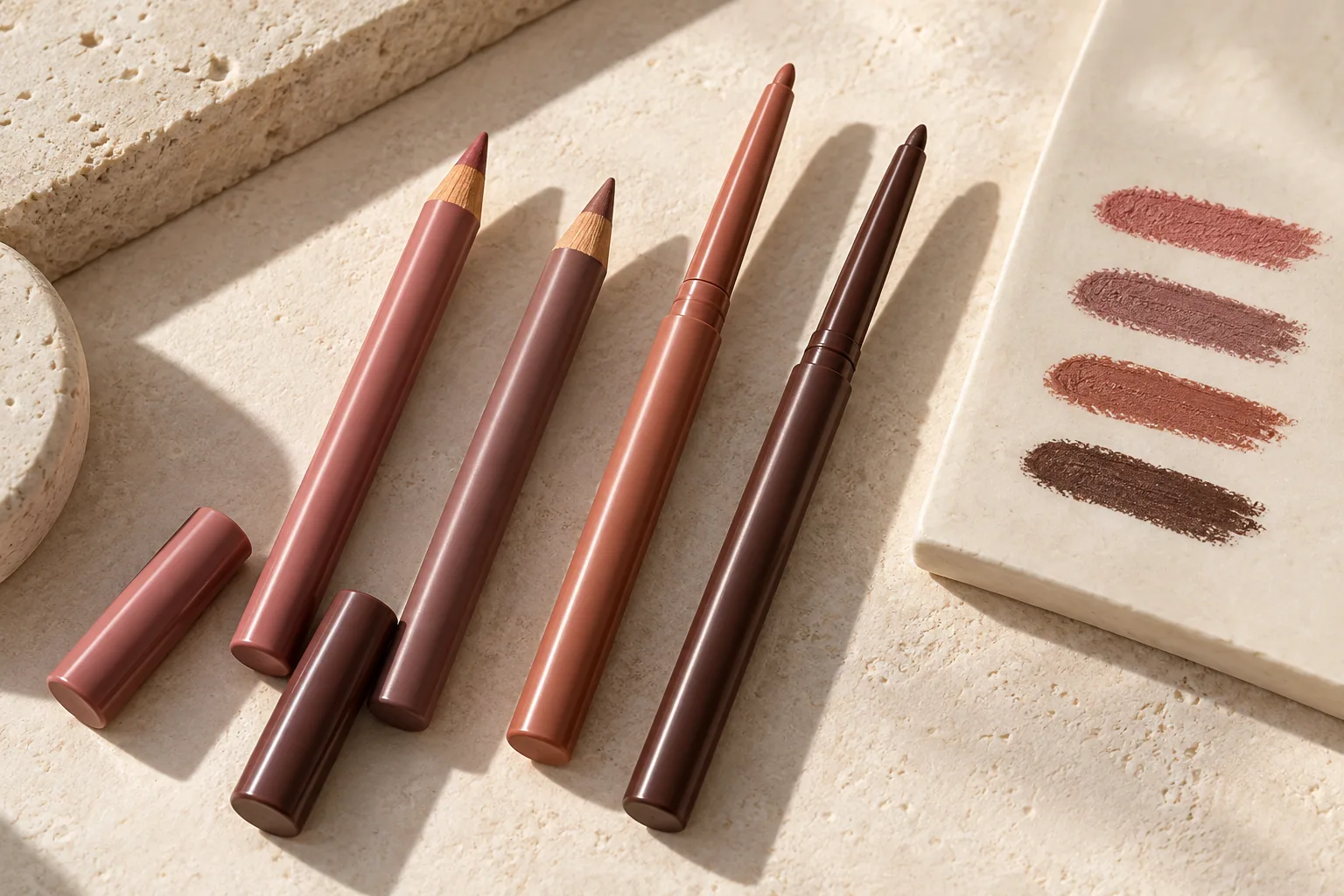
01Developing a lip liner
Private Label Lip Liner Development Guide
Develop a private label lip liner with a clear brief for pencil format, shades, glide, wear, packaging and sample approval.
Read guideLuxa journal
Practical skincare and cosmetics manufacturing guidance for founders, ecommerce teams and retail buyers: from choosing product formats and shades to preparing samples, packaging and a first production order.
Explore the guidesWhat you can clarify here
Manufacturing library
Each guide is written to help a brand ask sharper questions before committing to formula, packaging, samples or production.
01Developing a lip liner
Develop a private label lip liner with a clear brief for pencil format, shades, glide, wear, packaging and sample approval.
Read guide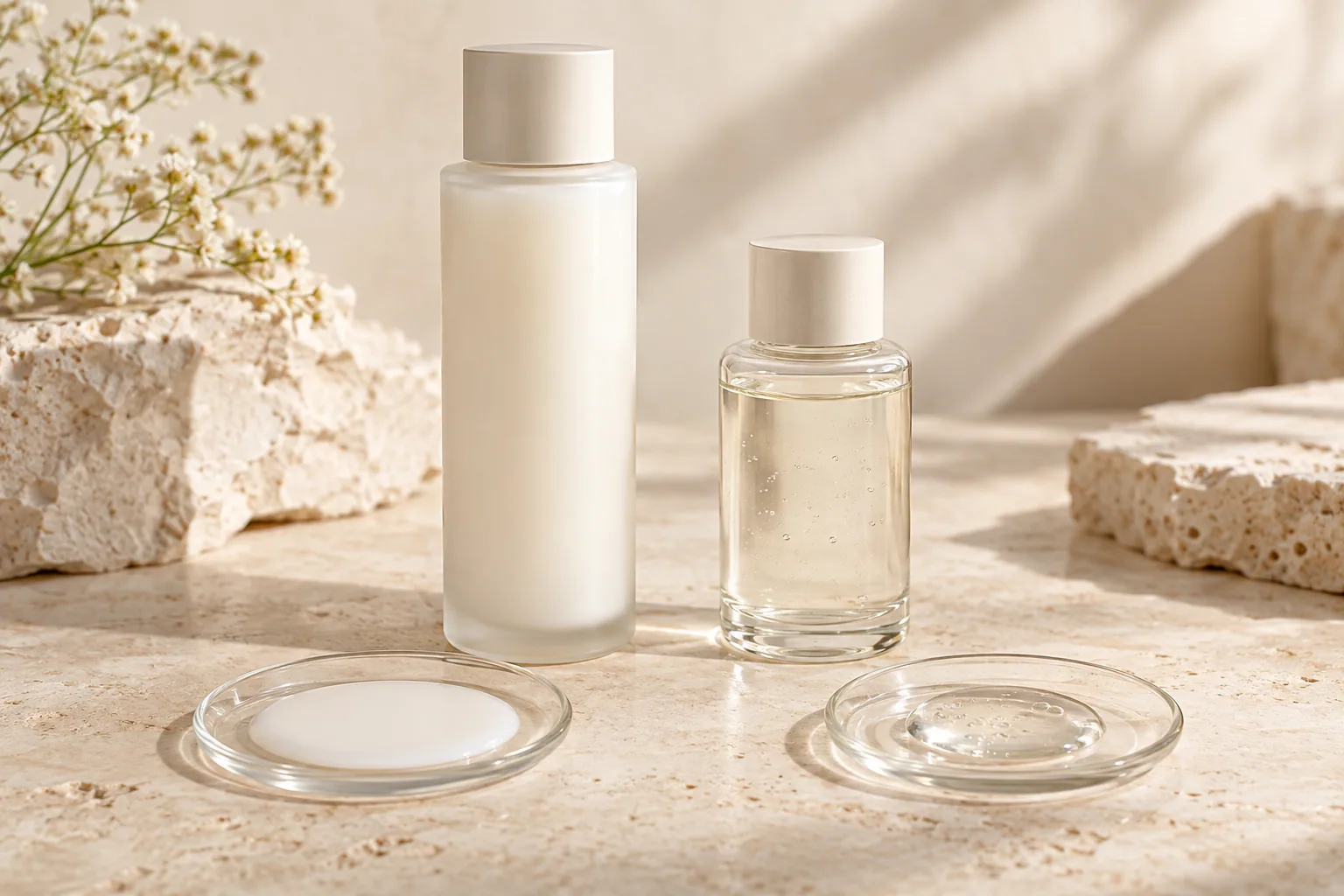
02Defining a first layer
Compare milky toner and essence development through texture, routine role, layering, dispensing, claims and a practical manufacturing brief.
Read guide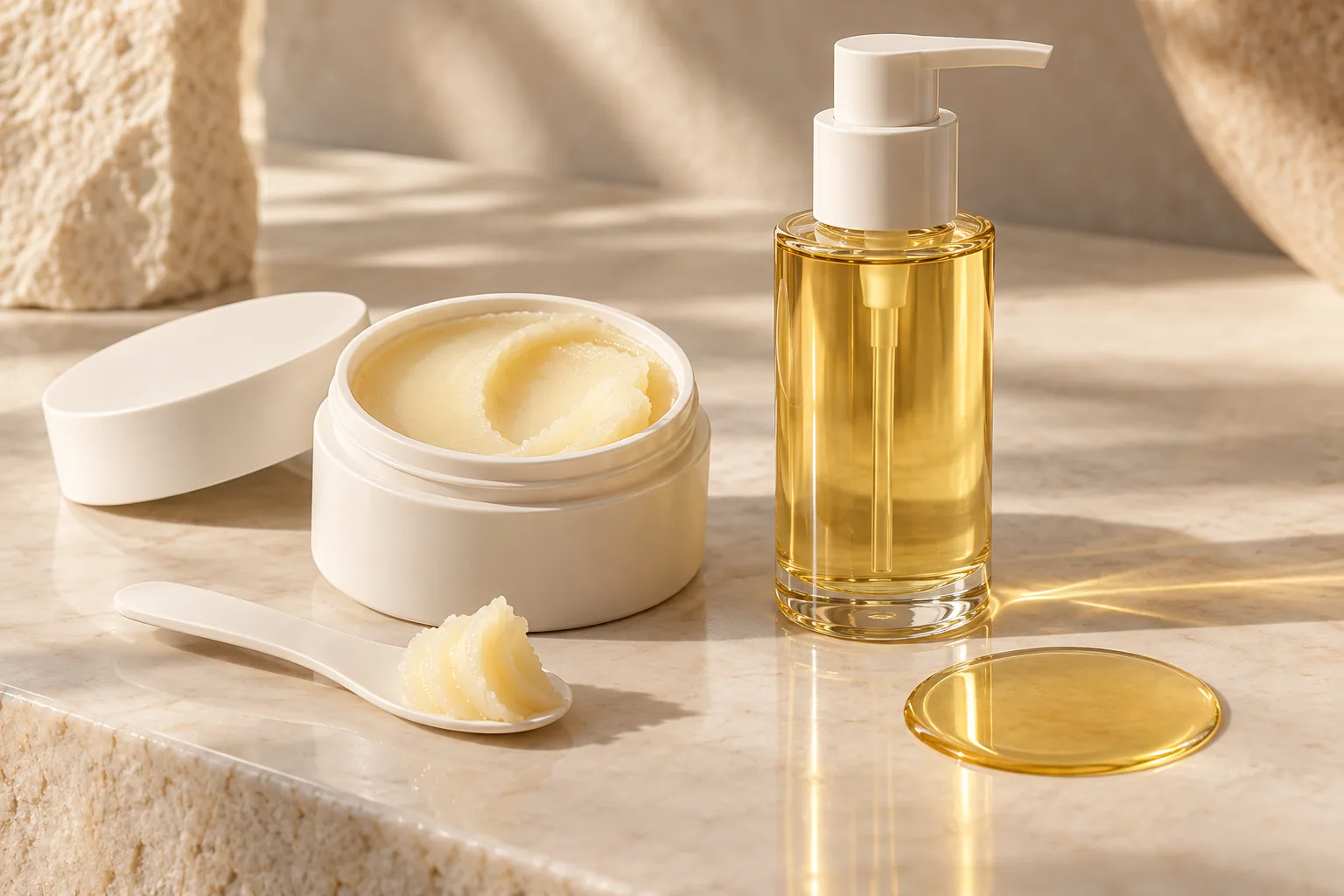
03Choosing a first cleanser
Compare cleansing balm and oil by pickup, spread, makeup removal, rinse, packaging and stability before preparing a manufacturing enquiry.
Read guide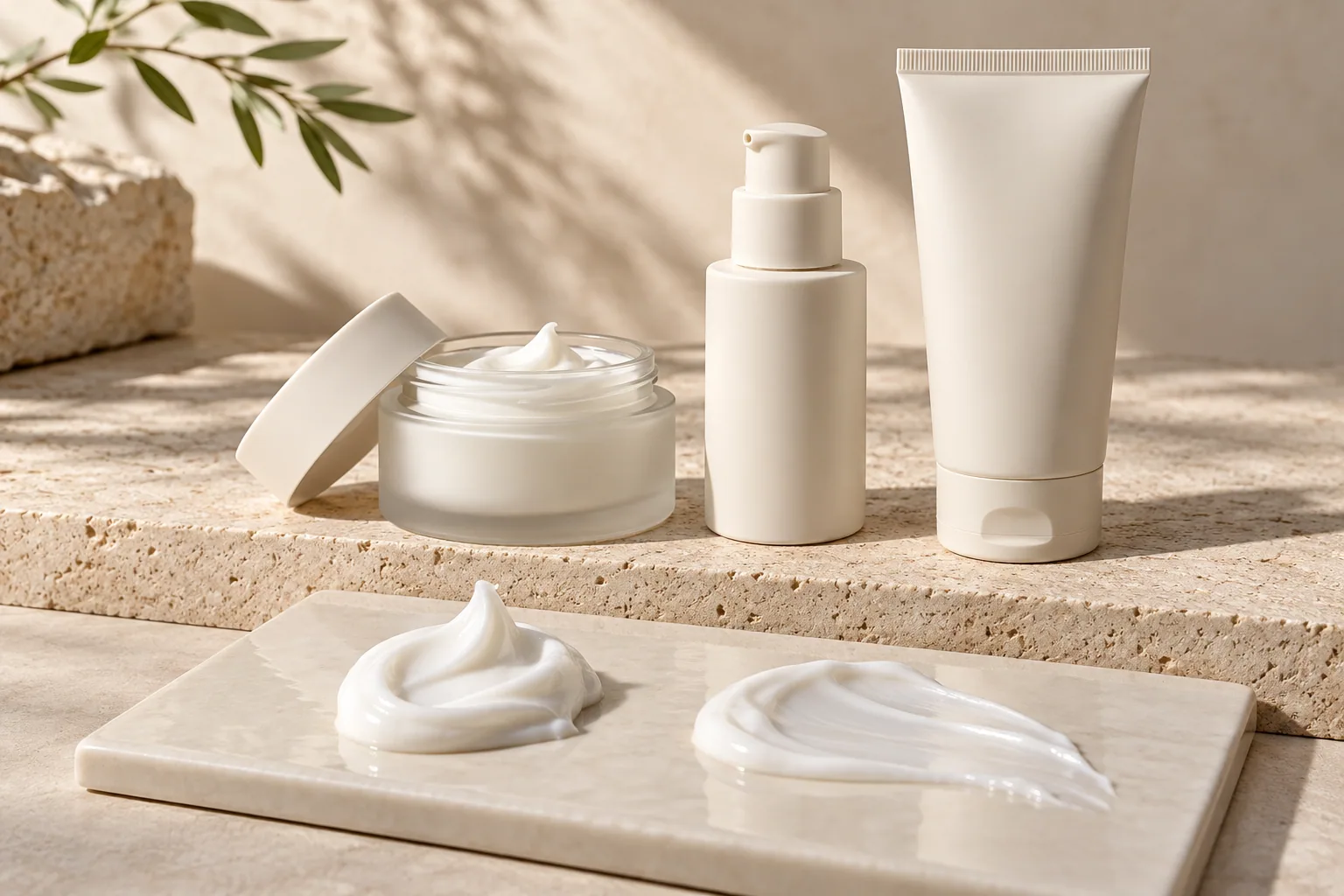
04Briefing a face cream
Plan a barrier face cream around texture, routine fit, ingredient systems, evidence-backed claims, packaging and sample approval.
Read guide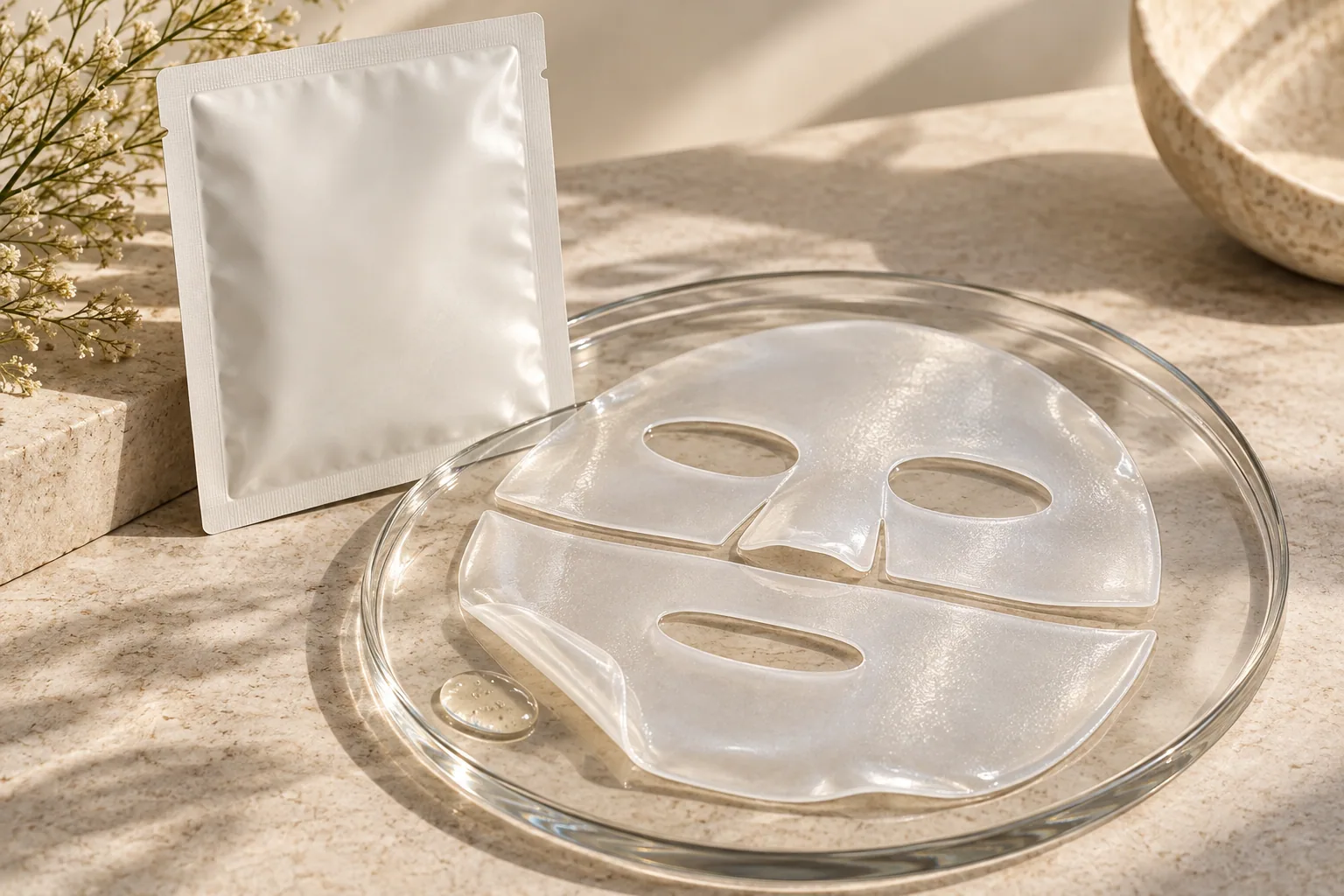
05Developing a mask format
Develop a hydrogel mask brief covering fit, gel and serum compatibility, pouch protection, handling, claims and sample evaluation.
Read guide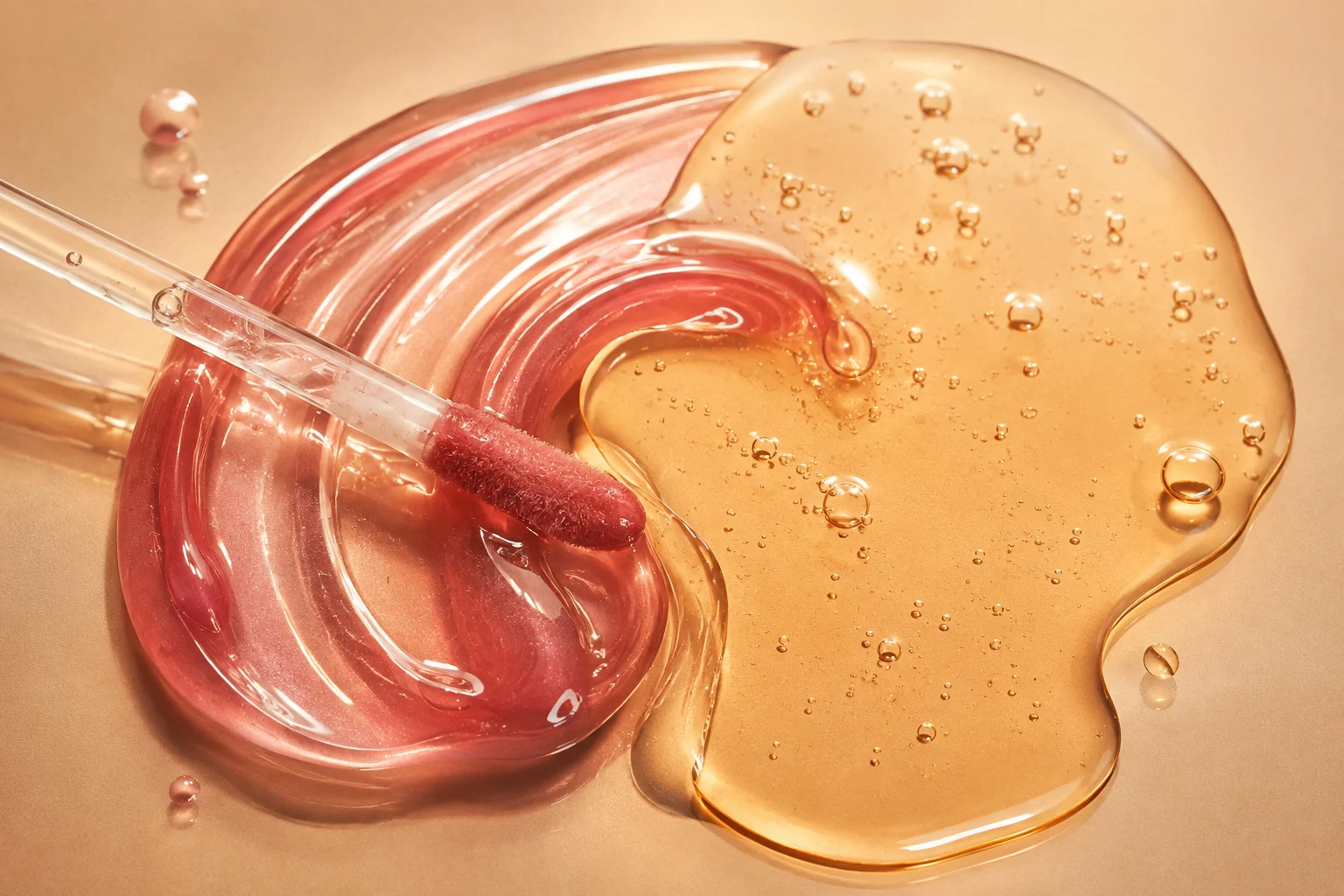
06Choosing a lip format
Compare lip gloss and lip oil by shine, texture, colour and wear. Learn what to check in samples, applicators and packaging before launching your own line.
Read guide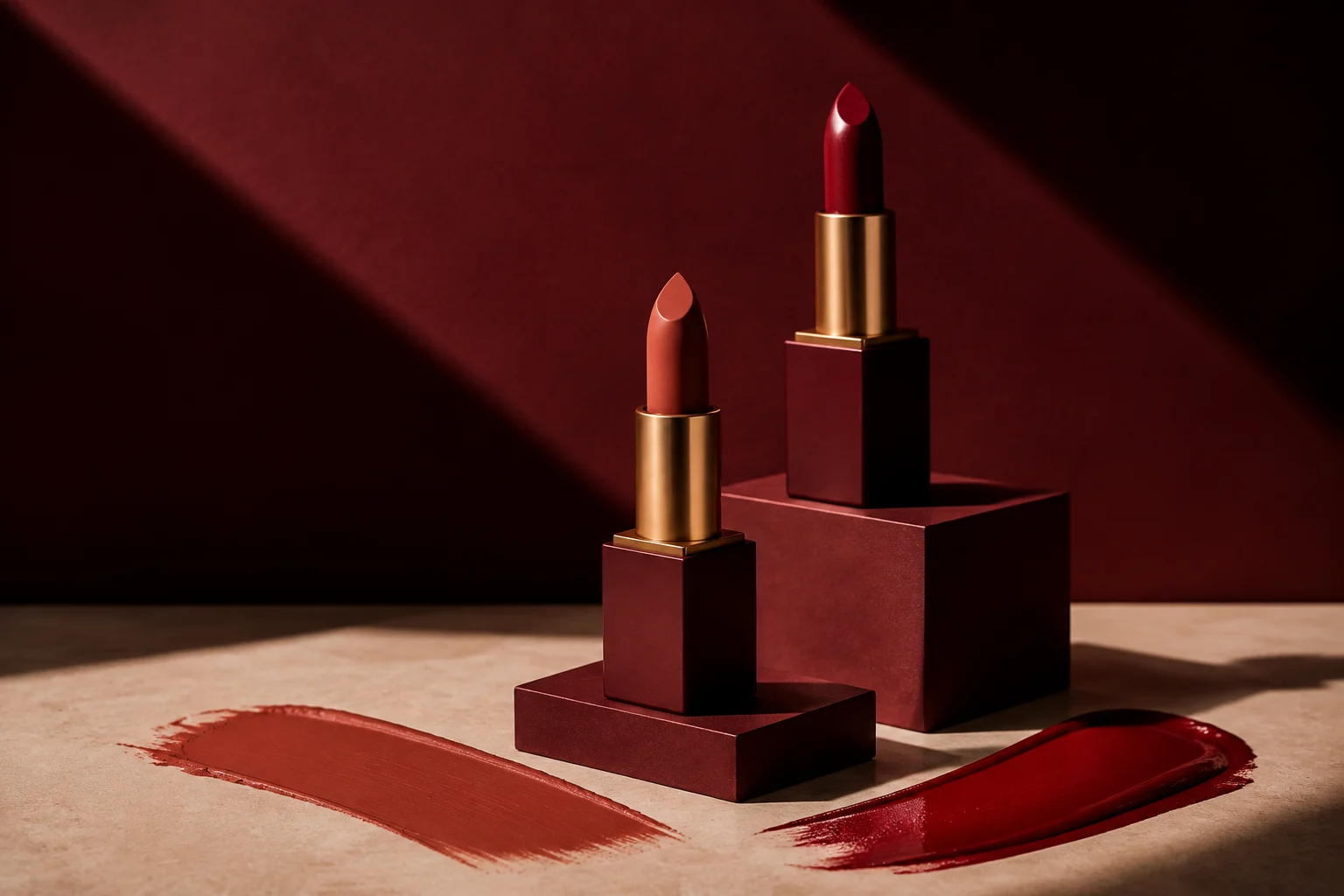
07Developing lip colour
Compare matte and satin lipstick for your beauty brand, from colour and comfort to shade selection, bullet performance and packaging.
Read guide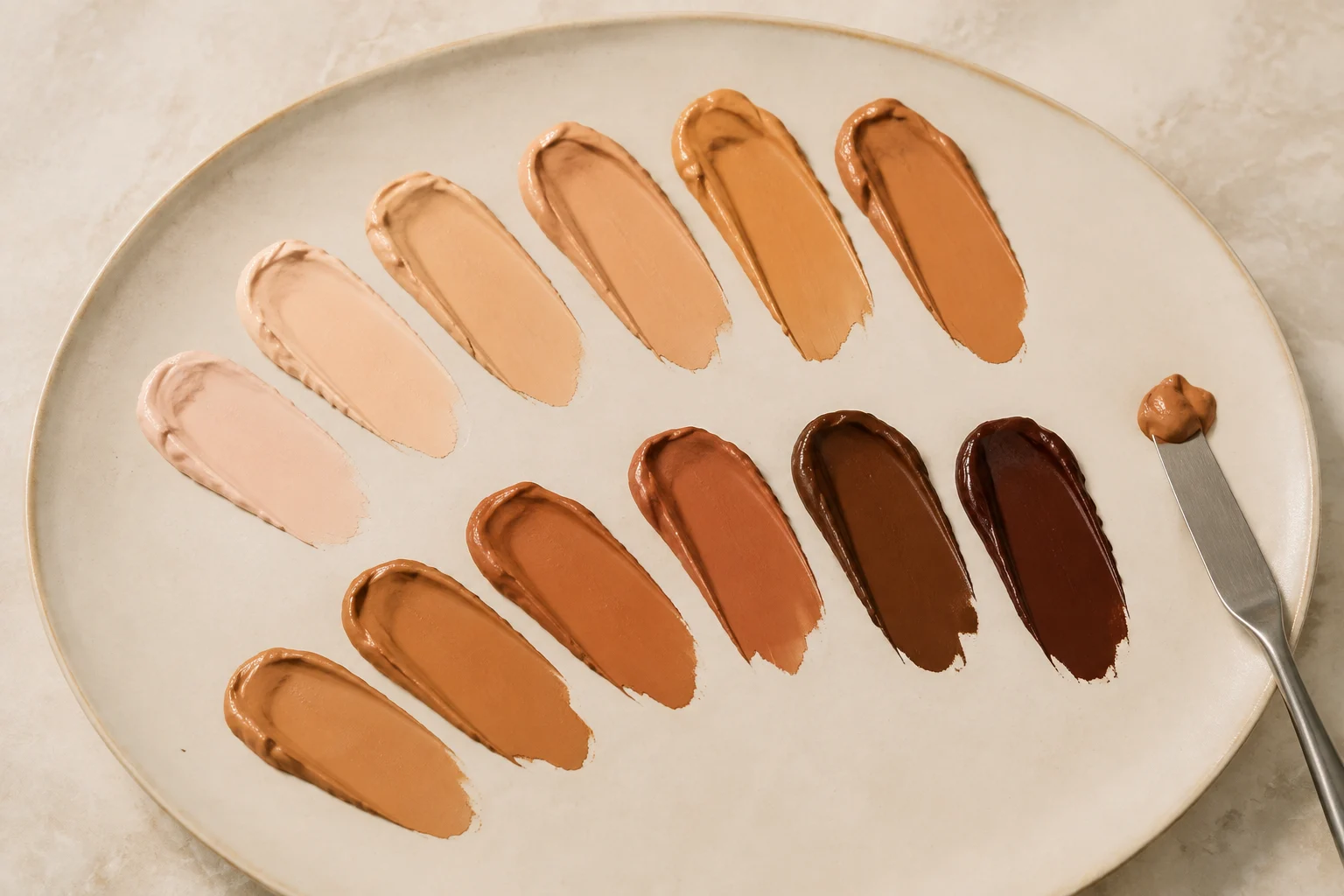
08Planning complexion shades
Build a foundation shade range that covers depth and undertone. Learn how to assess dry-down, pair concealers and plan quantities by shade.
Read guide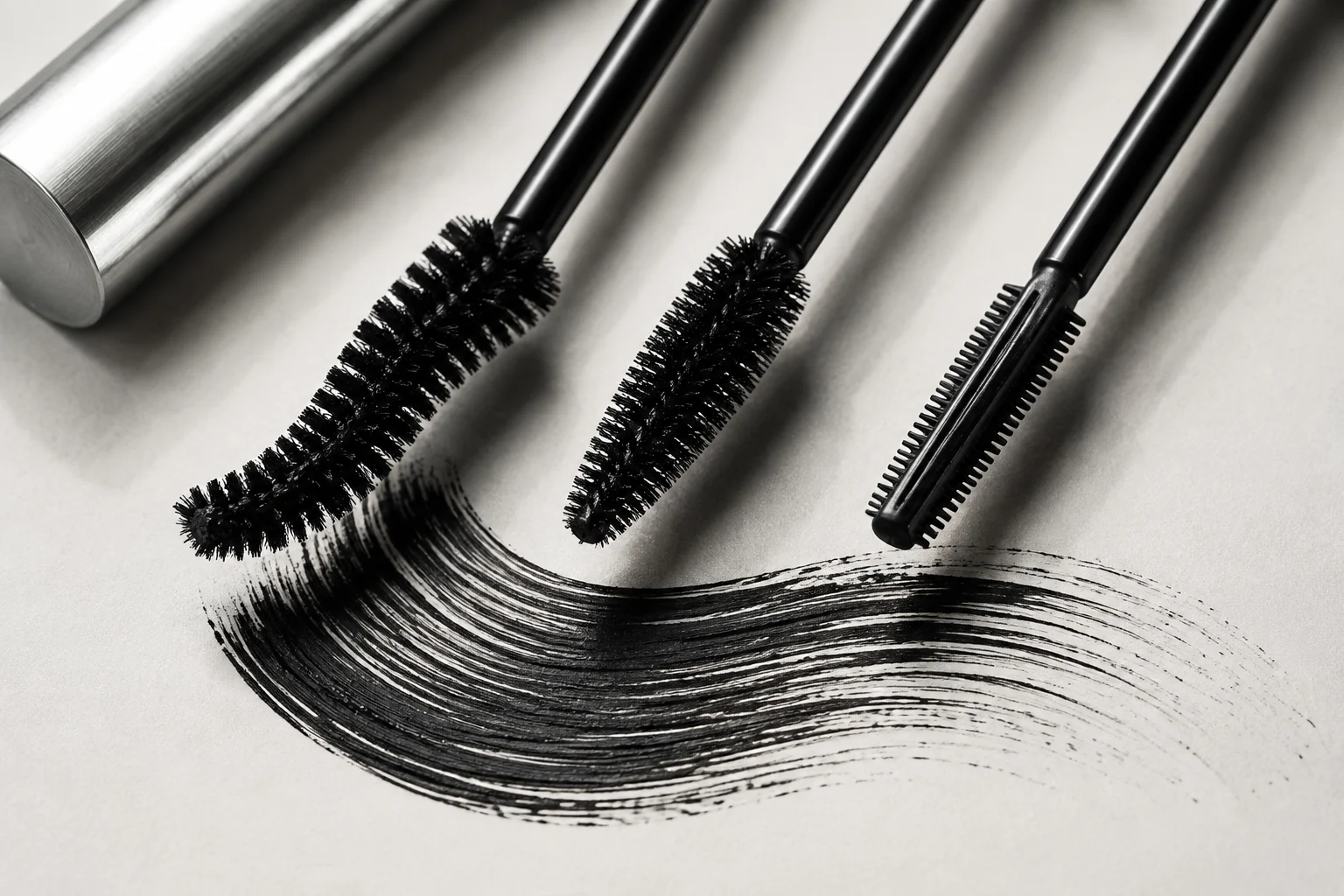
09Developing a lash product
Develop a mascara with the right formula, brush and wiper. Learn what to check during application, wear, removal and final product approval.
Read guide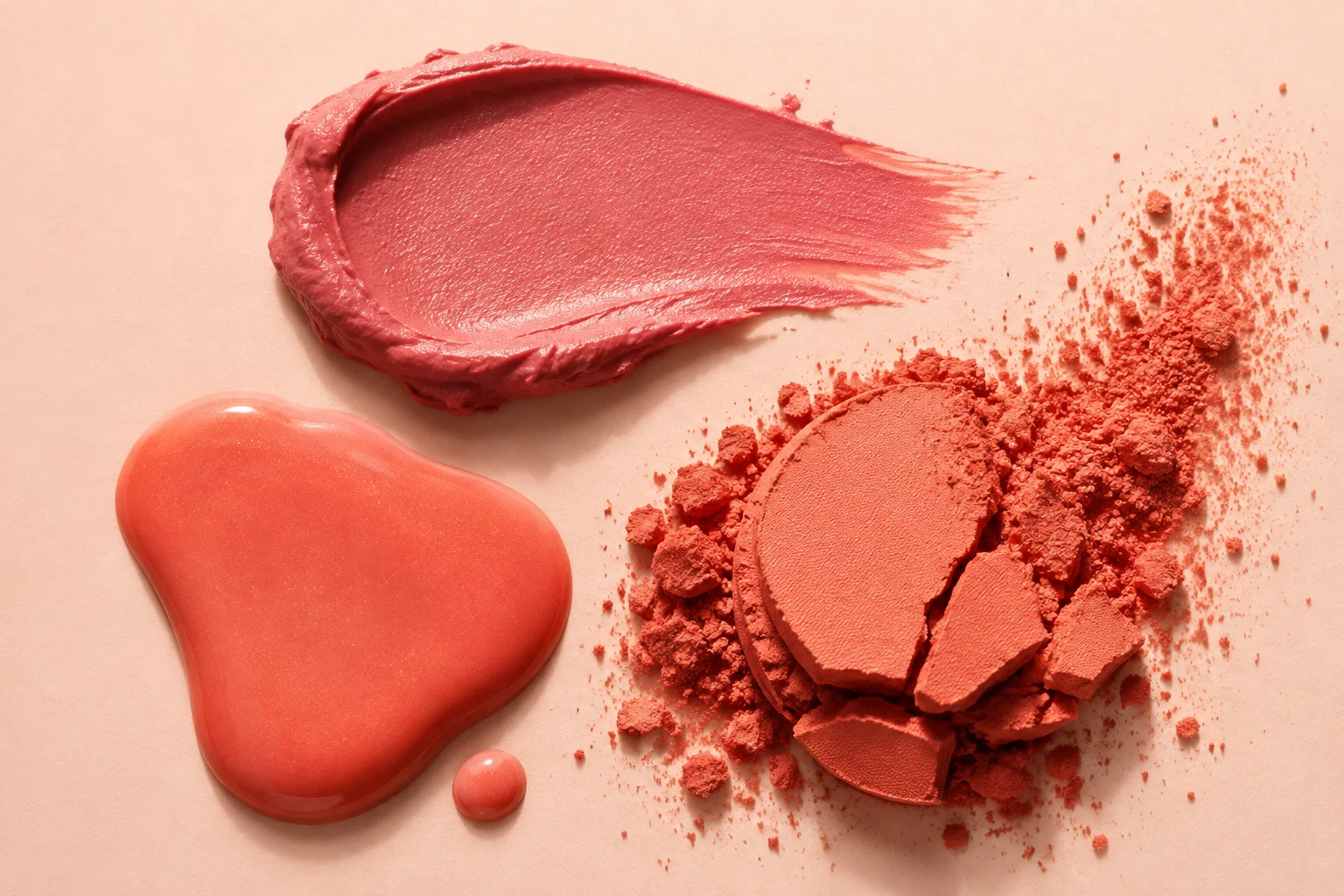
10Comparing blush formats
Choose between cream, liquid and powder blush. Compare blending, colour payoff, packaging and sample results for your beauty brand.
Read guide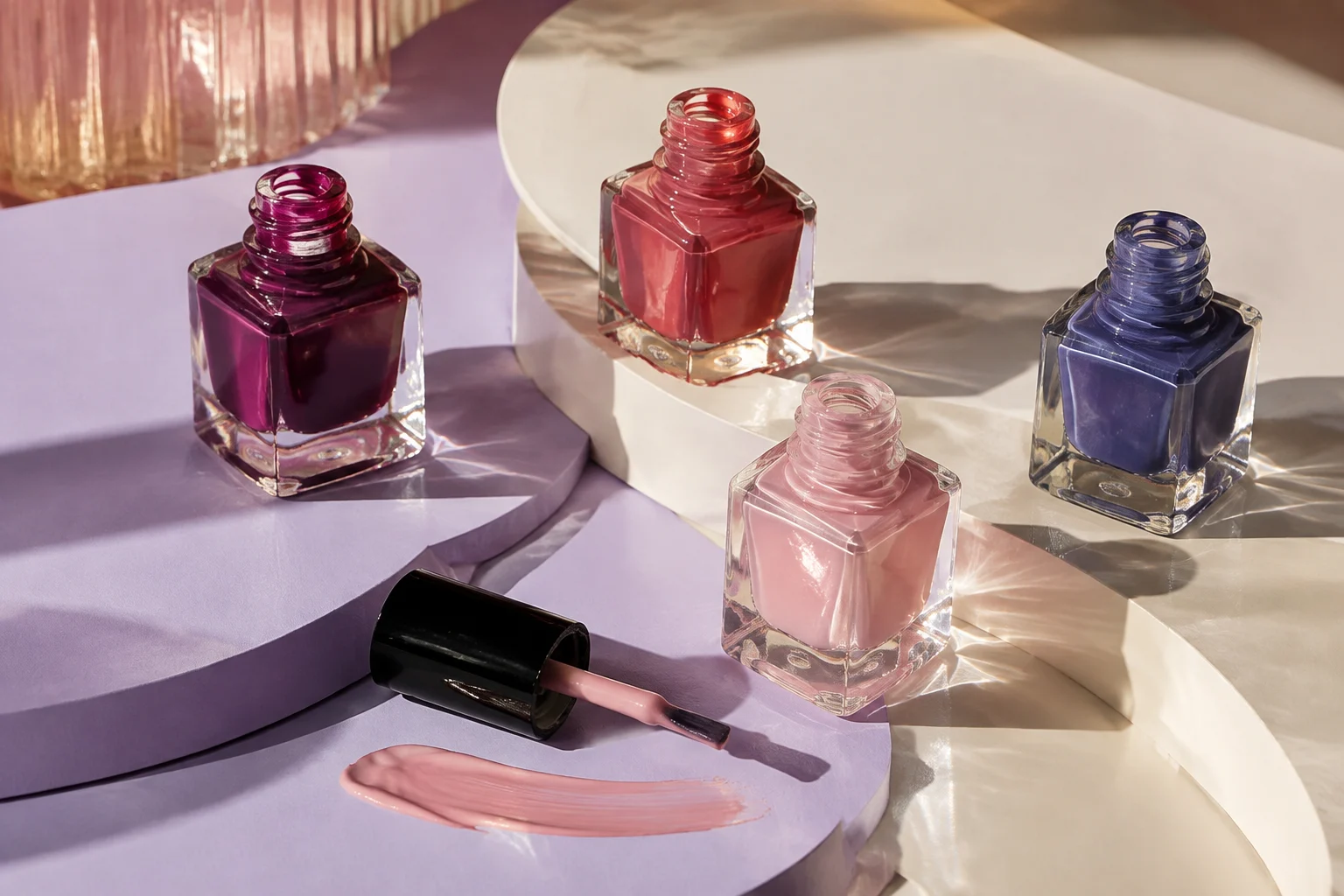
11Planning a nail collection
Start a nail polish line with a workable shade collection. Learn what to check in coverage, drying time, brushes, bottles and shipping.
Read guide
12Reading social demand
What verified U.S. sales patterns reveal about sets, serums, balms and creator-ready skincare formats.
Read guide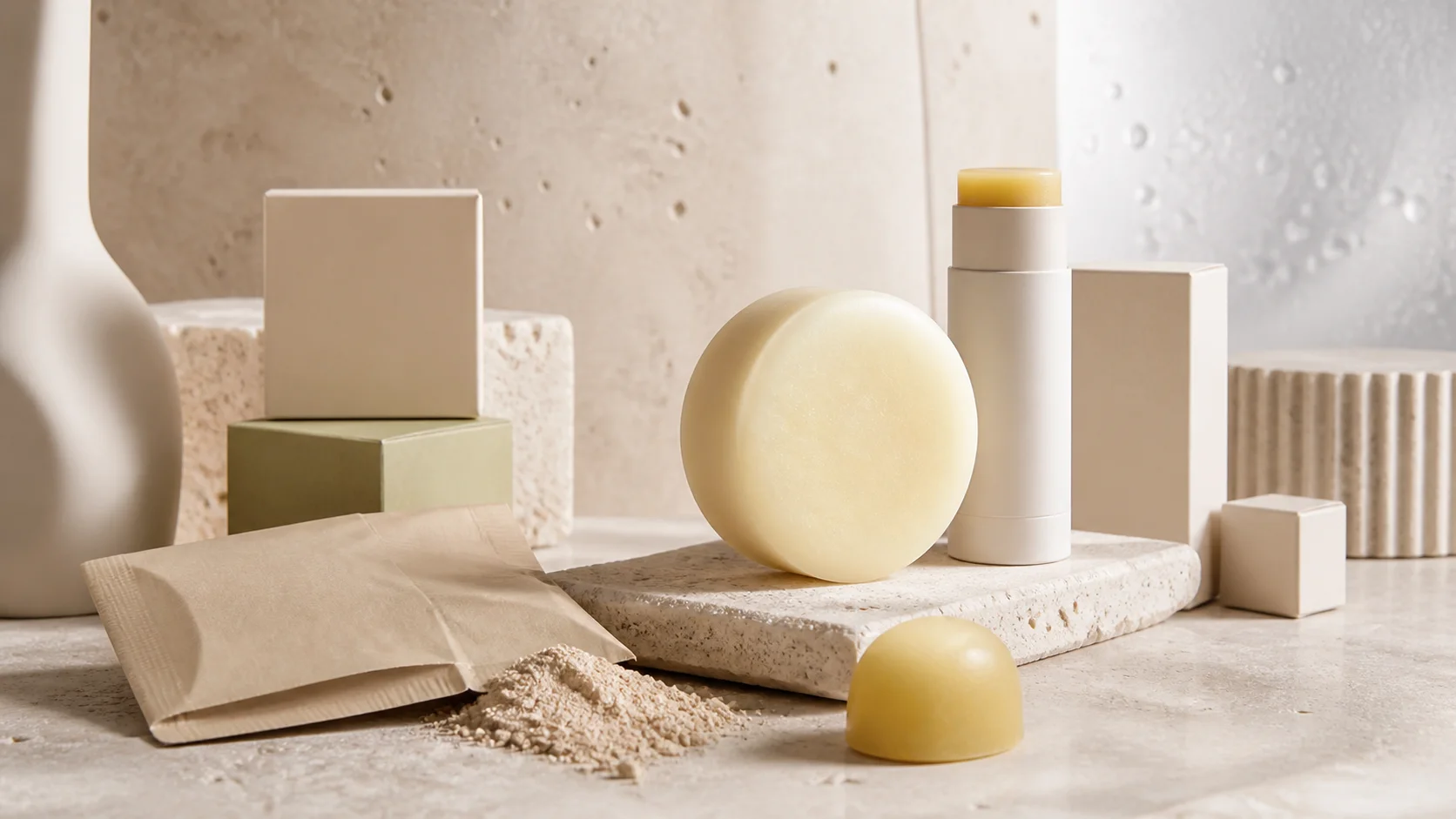
13Developing solid formats
How to develop solid, powder and anhydrous formats without oversimplifying preservation, packaging or environmental claims.
Read guide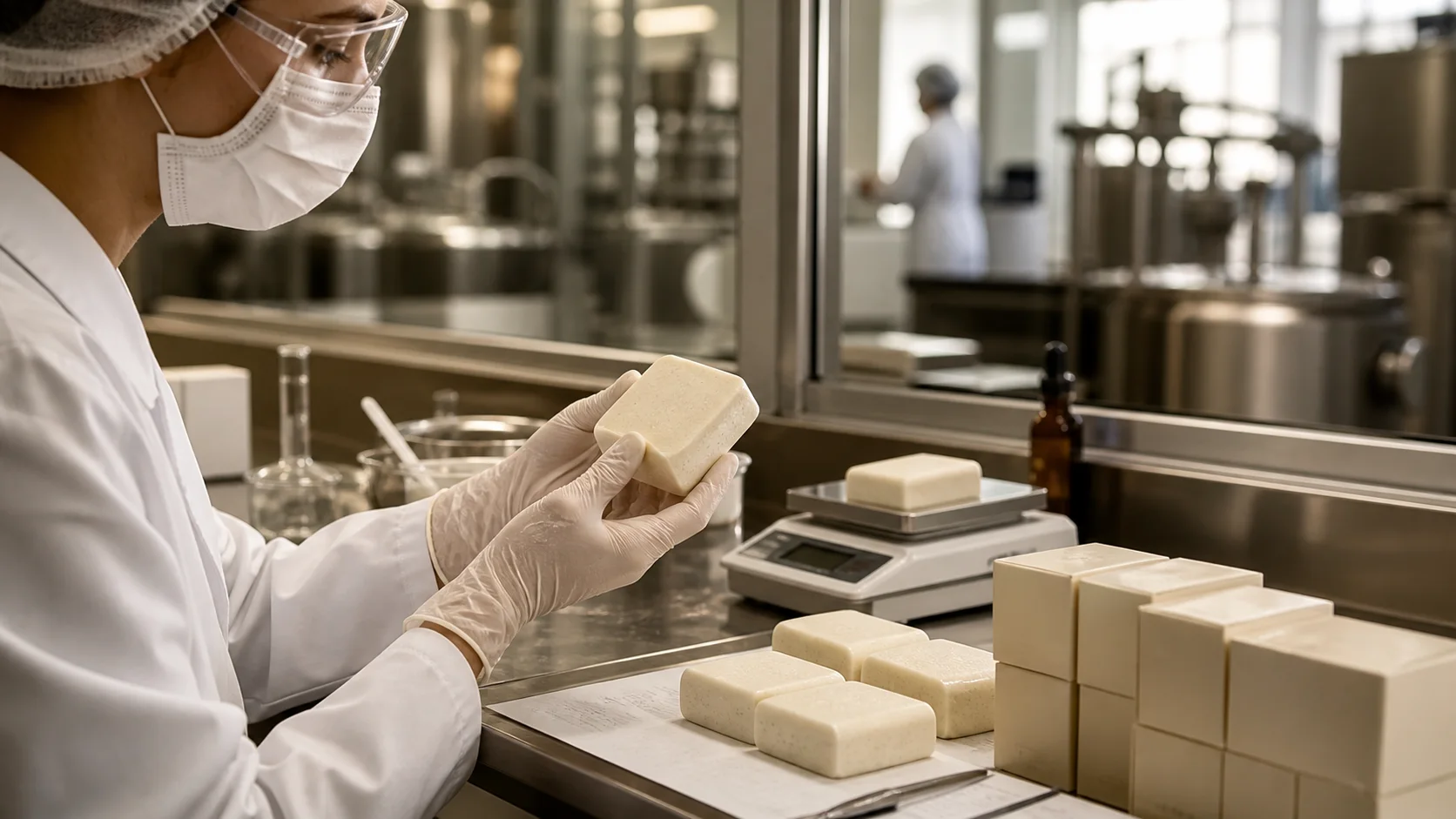
14Briefing a cleansing bar
A formulation-led guide to pH, surfactants, bar performance, packaging and product claims.
Read guide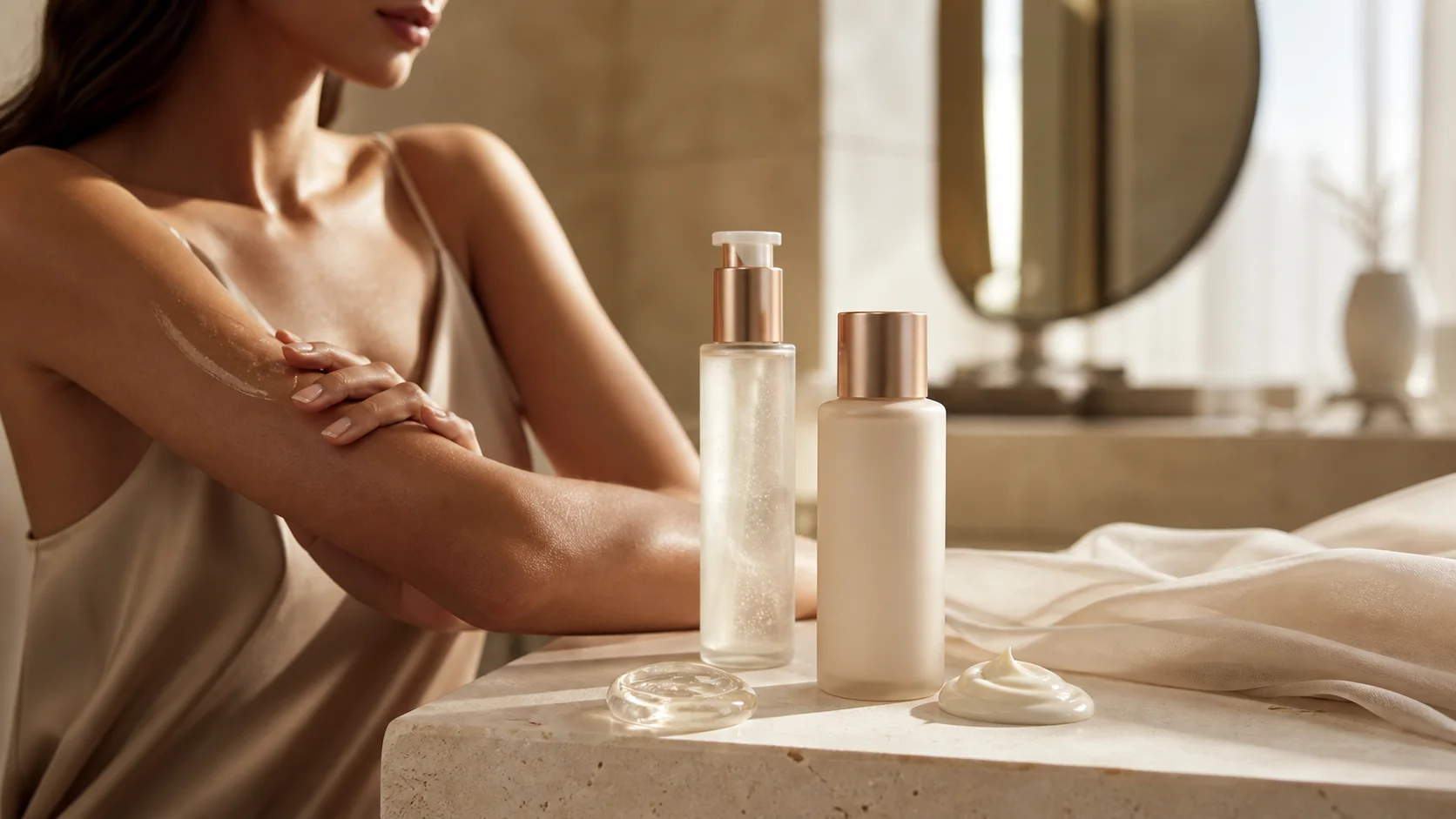
15Building body care
How to give two body-care formats distinct texture, routine, packaging and commercial roles.
Read guide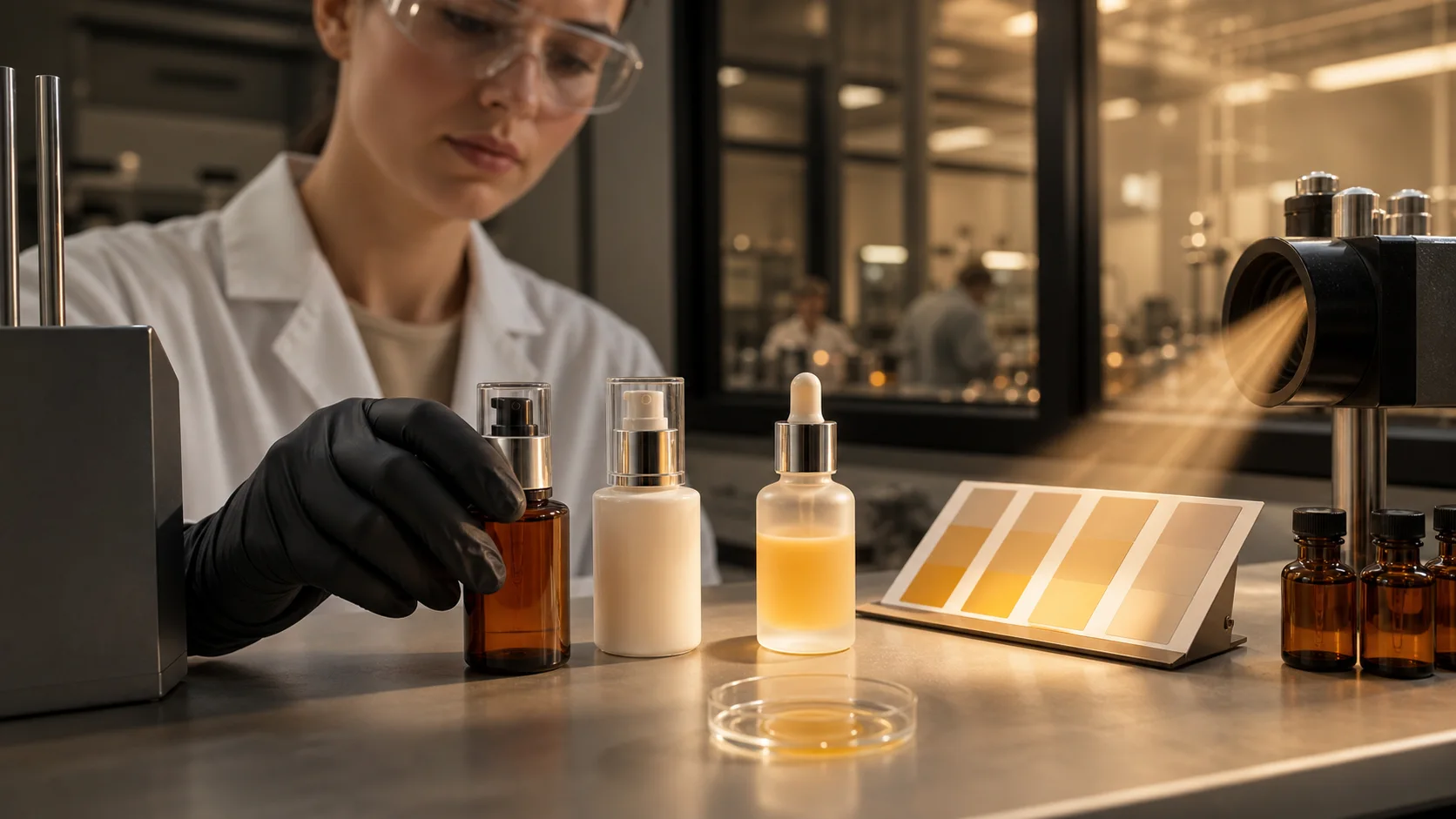
16Protecting a serum
Compare airless pumps, opaque packs and droppers through stability, compatibility and real-use testing.
Read guide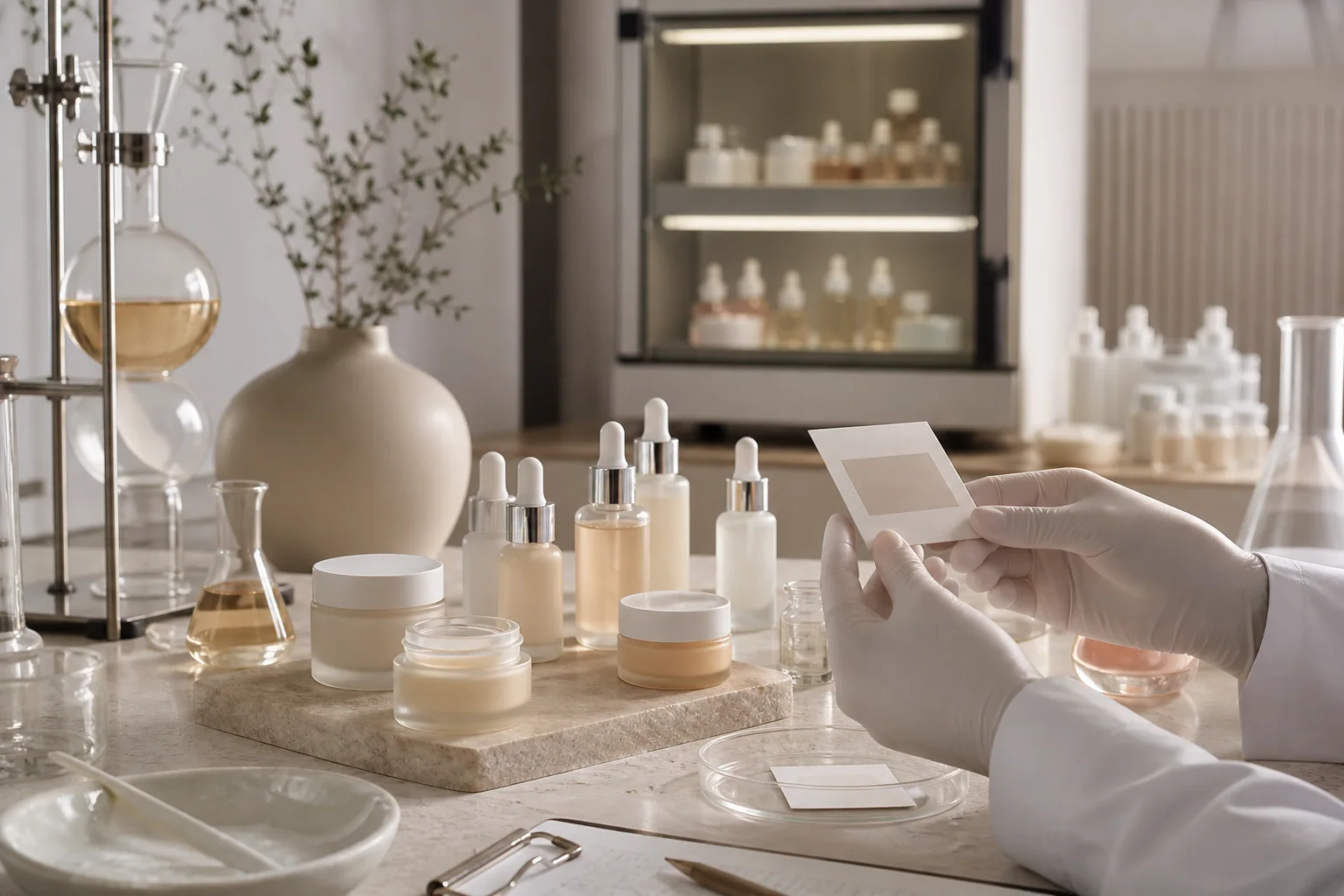
17Testing a formula
How beauty brands can plan stability, preservation, packaging compatibility and shelf-life evidence before production.
Read guide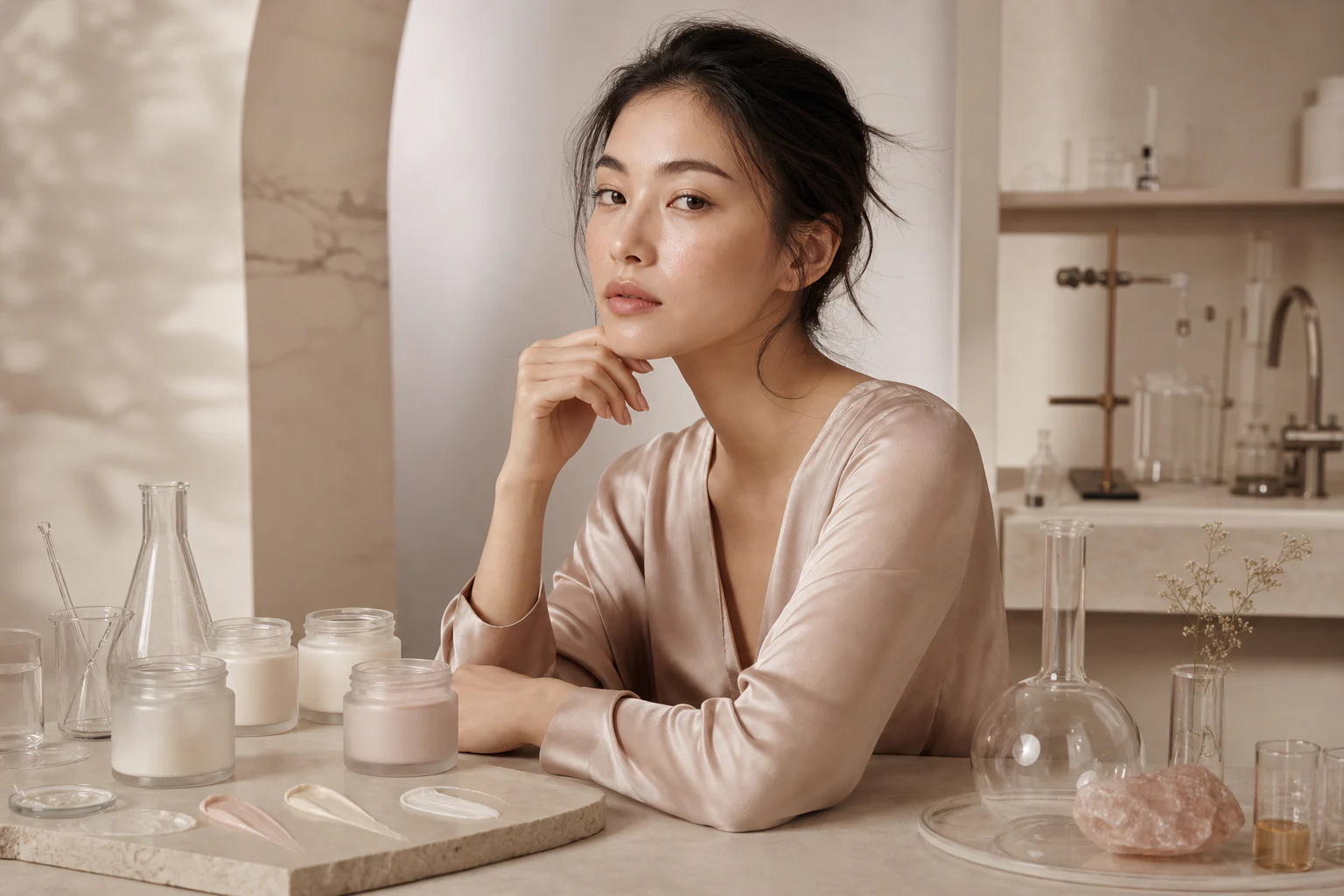
18Developing a formula
How brands can turn a product idea into a controlled formula, sample process and manufacturable product.
Read guide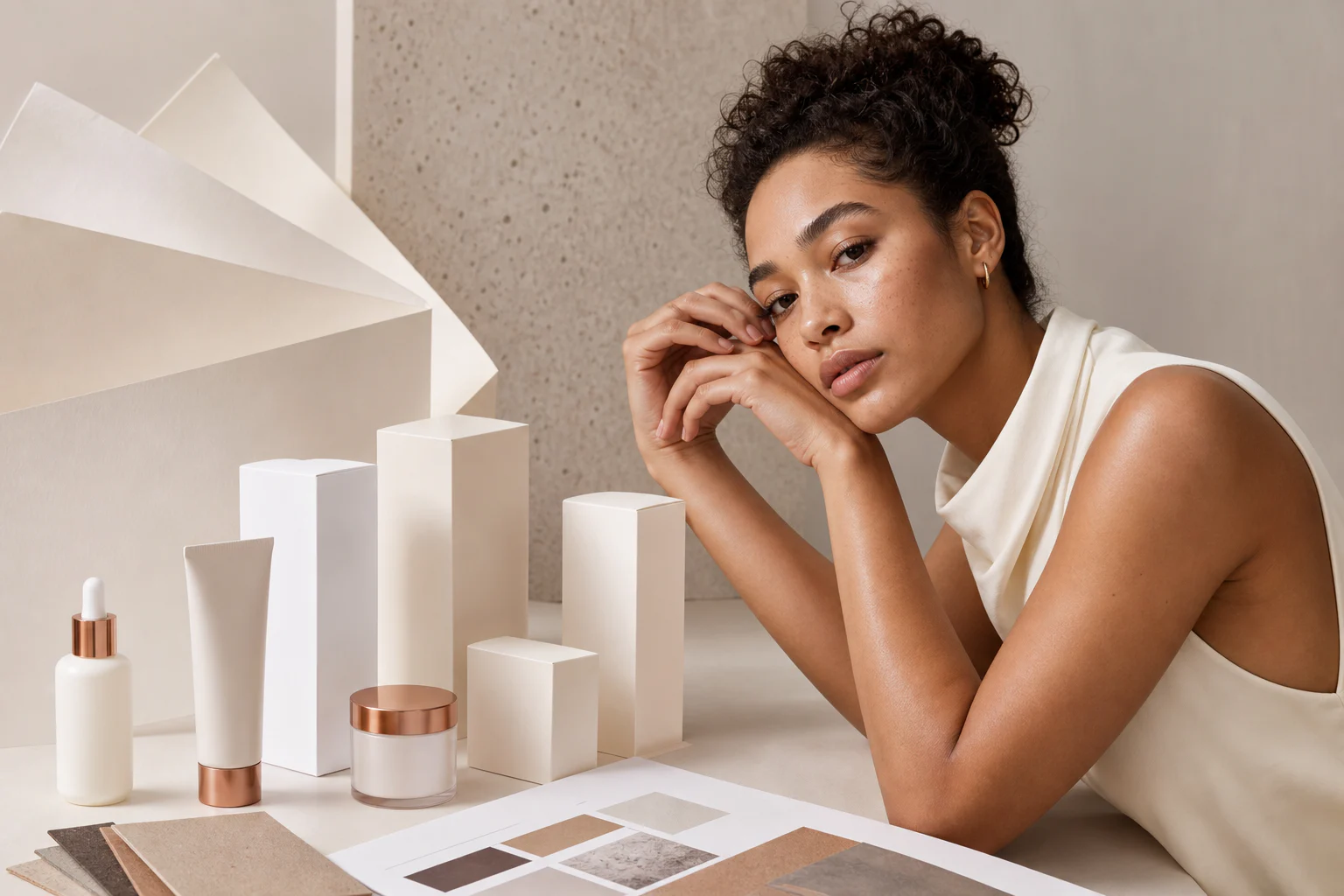
19Preparing artwork
How to prepare ingredient declarations, label inputs and artwork proofs for target-market review.
Read guide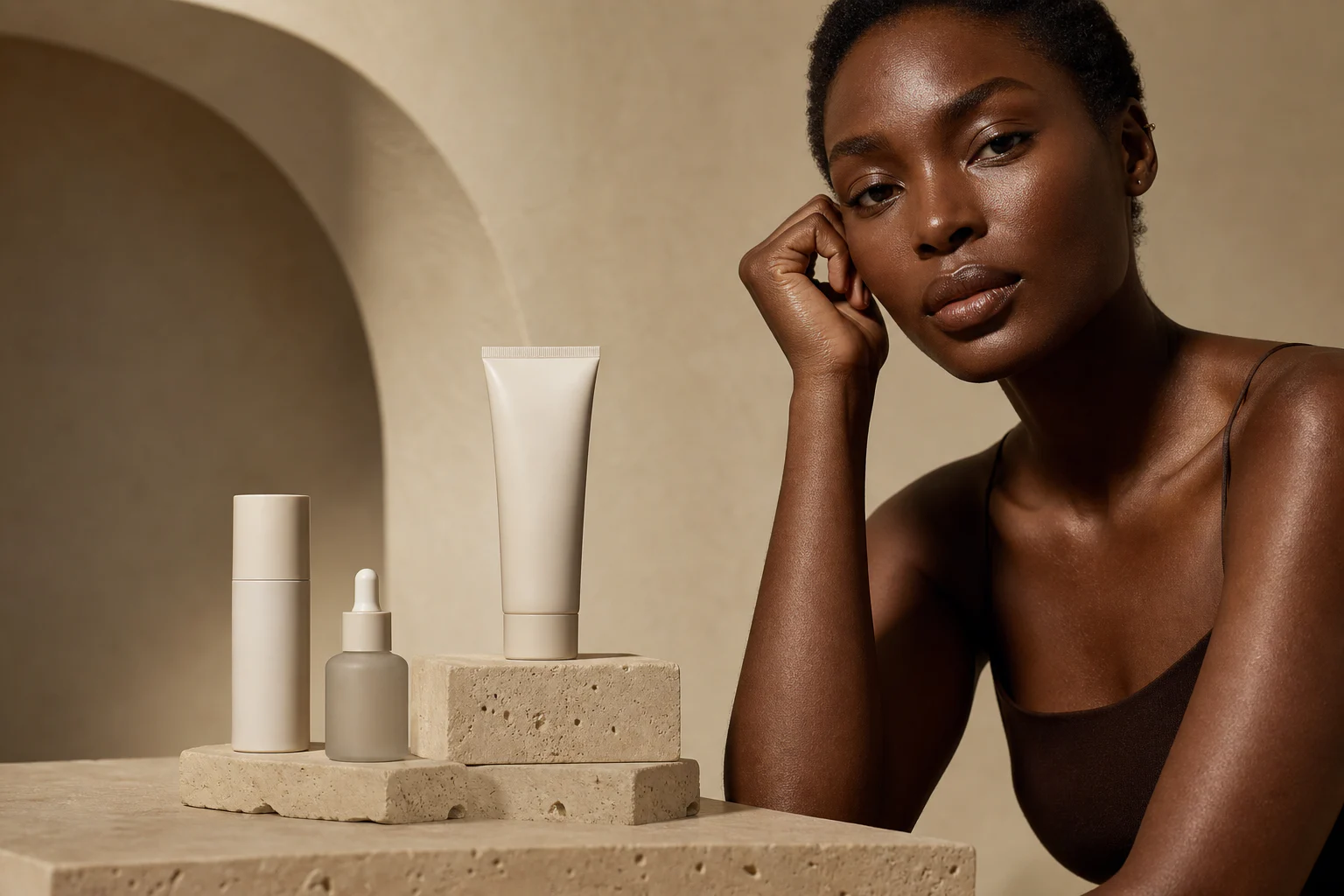
20Planning a range
A focused framework for choosing a hero product and building a coherent first skincare range.
Read guide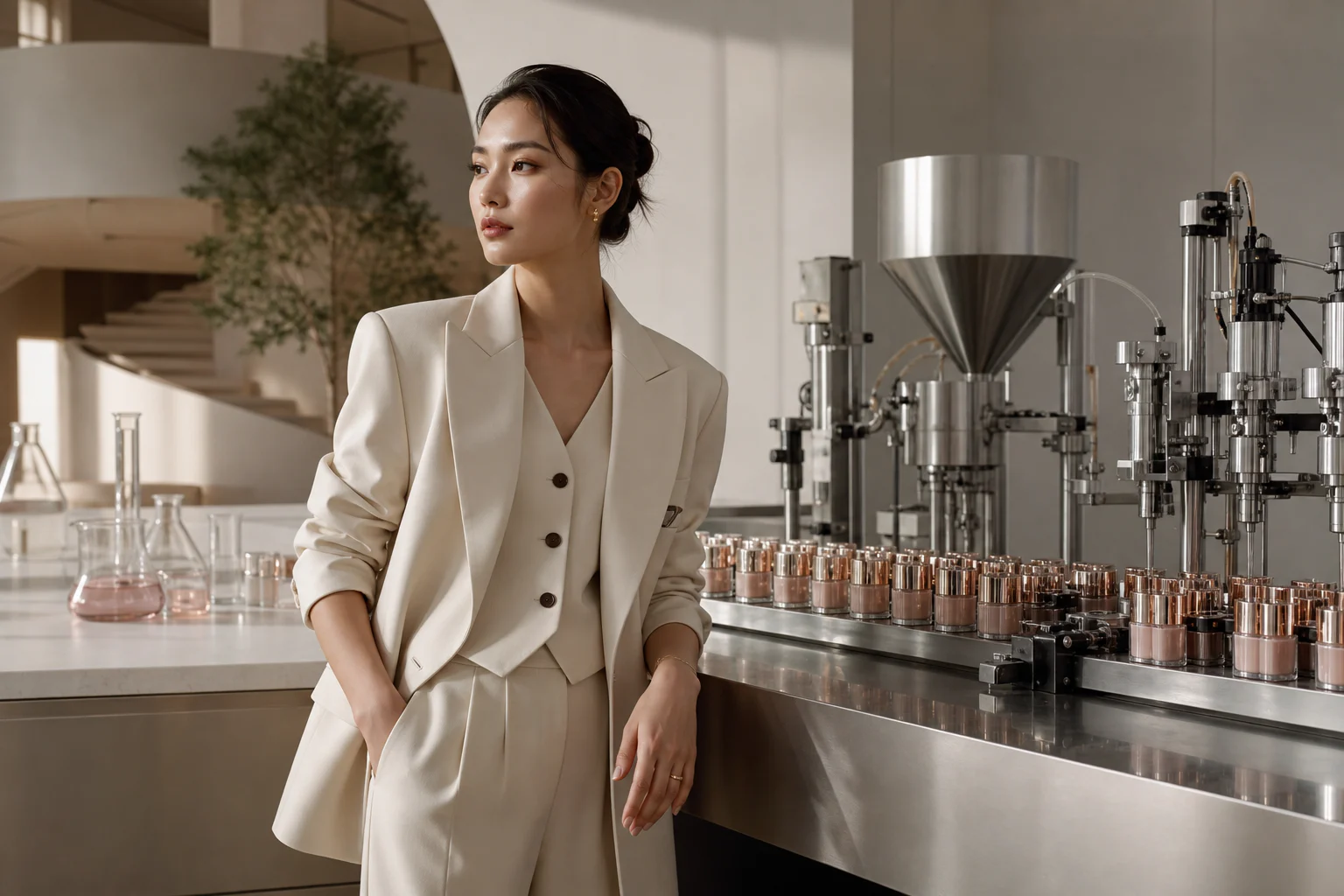
21Planning production
How to plan production readiness, components, batch records, first runs and reliable reorders.
Read guide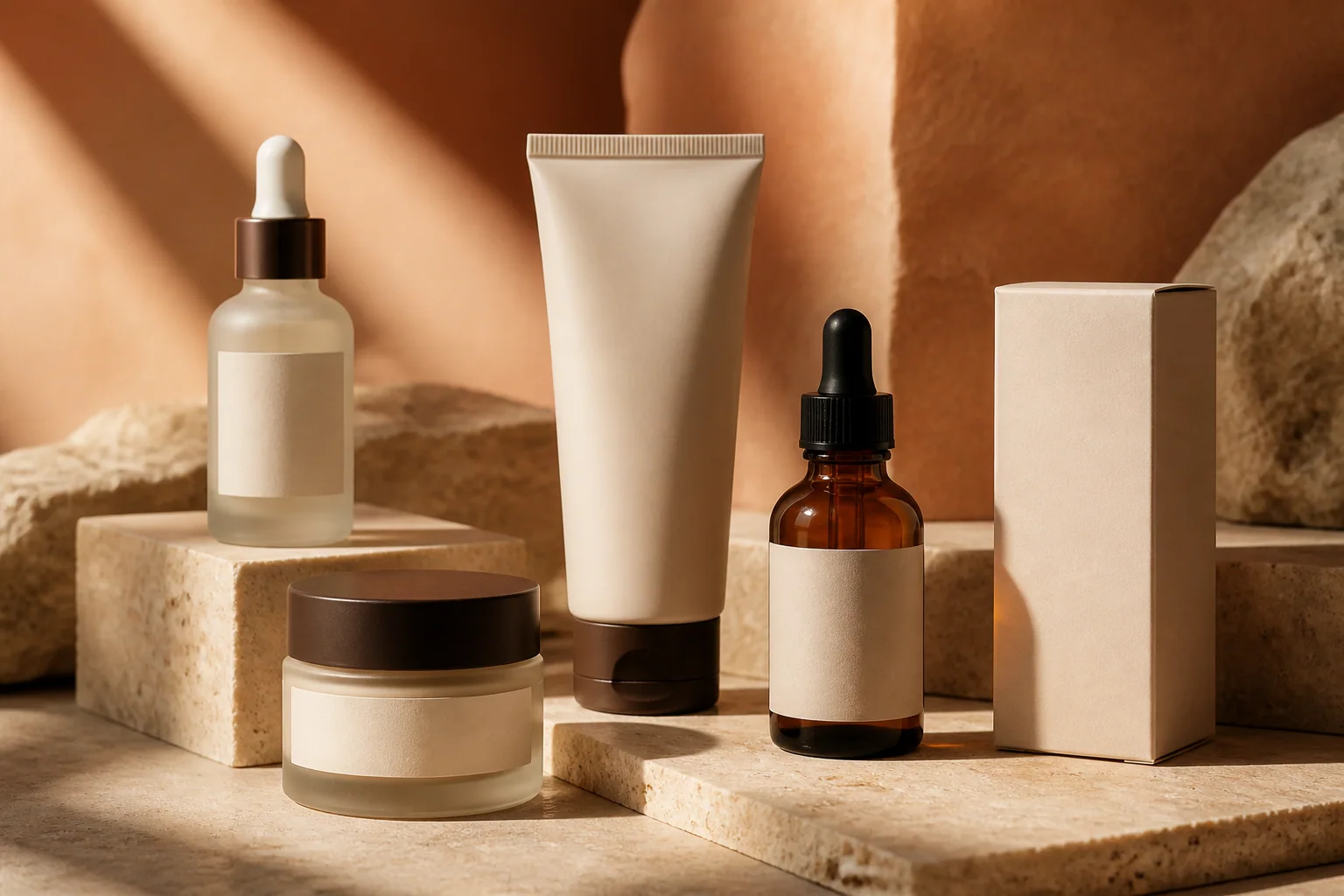
22Starting a line
Build a focused first collection around a customer problem, hero product, coherent packaging and realistic supply plan.
Read guide
23Choosing a route
Choose the right development route by comparing your starting brief, product ambition and decision capacity.
Read guide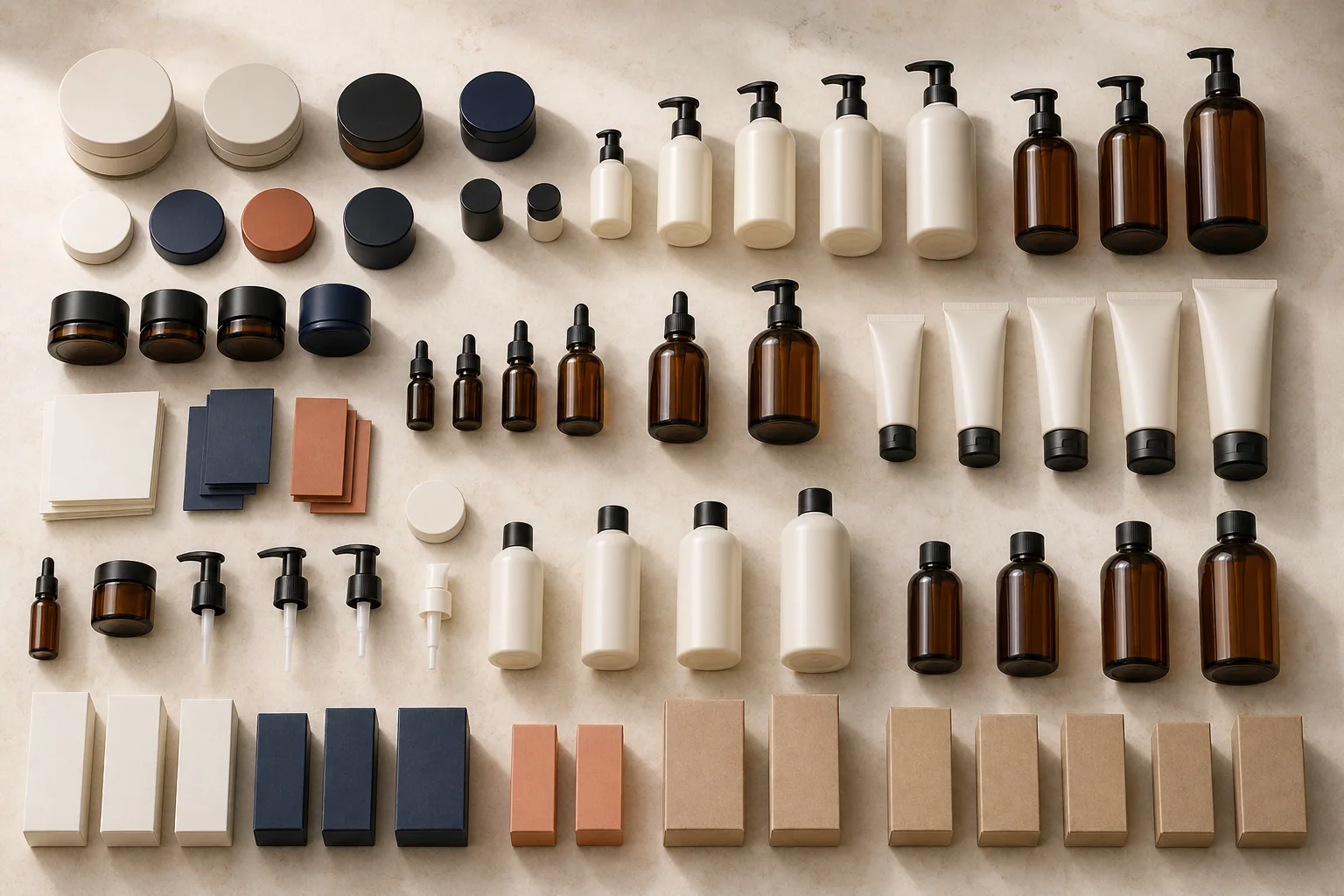
24Planning an order
Plan formula, component and finished-product quantities around demand, cash, inventory risk and repeat supply.
Read guide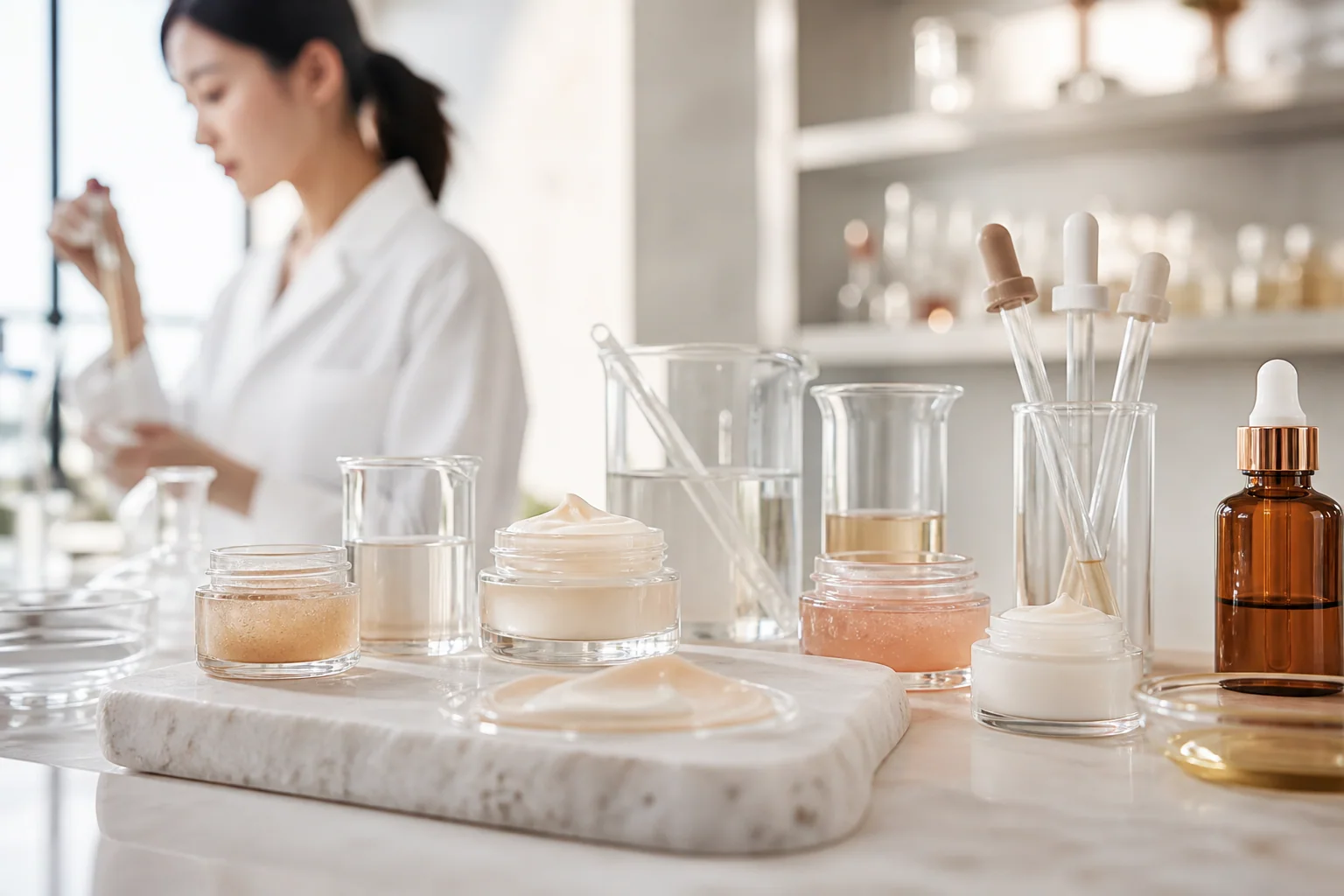
25Approving samples
Move through formula rounds, packaging checks, feedback and production handover with controlled versions.
Read guide
26Selecting a partner
Evaluate product fit, quality evidence, packaging support, commercial assumptions and repeat-production readiness.
Read guideKeep exploring
Guides can help frame the questions. When you are ready to assess your own product direction, use these pages to move from research into a focused manufacturing conversation.