Luxa journal · manufacturing guide
Mascara Development: Match the Formula, Brush and Wiper
Develop a mascara with the right formula, brush and wiper. Learn what to check during application, wear, removal and final product approval.
In this guide
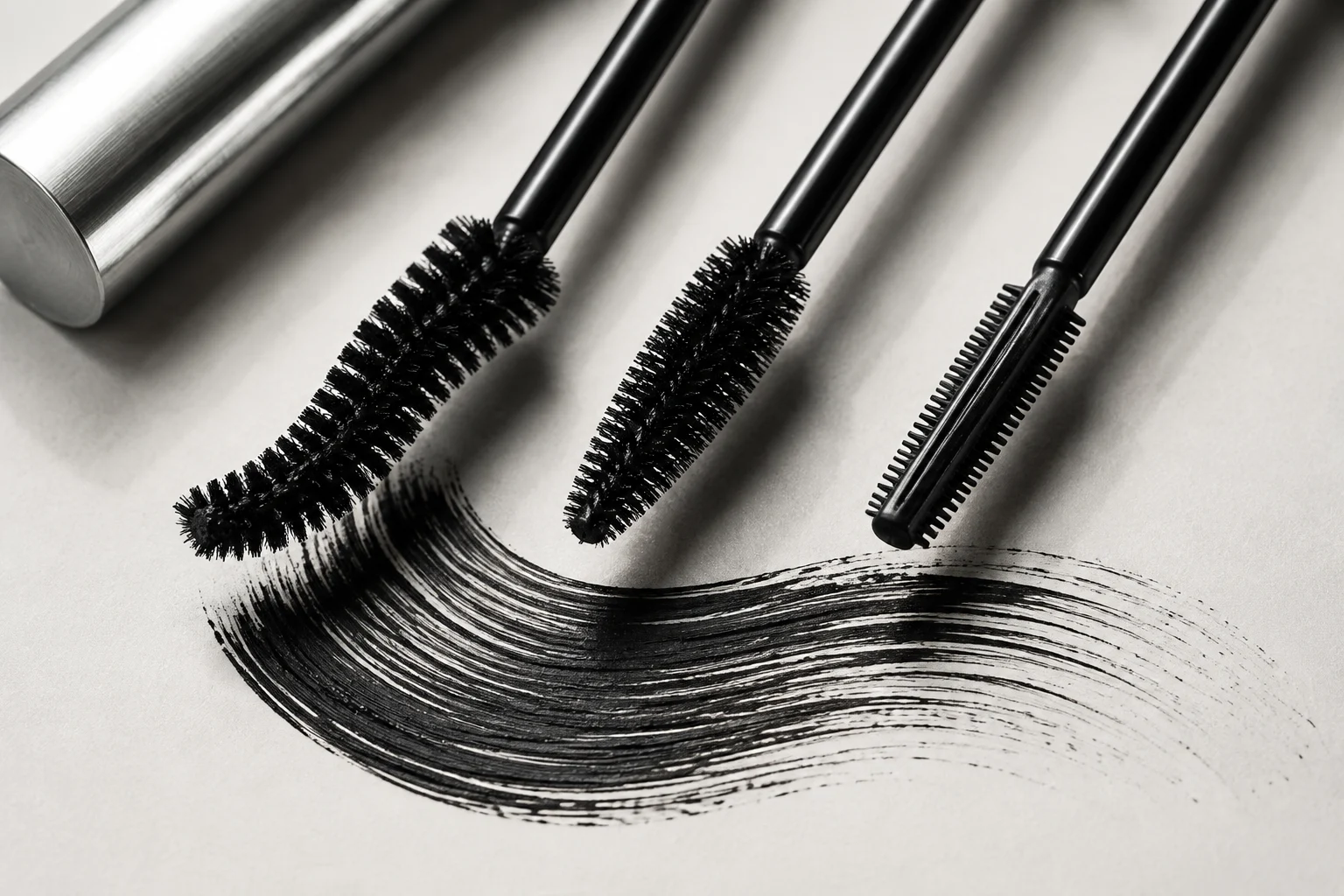
The same mascara formula can feel like a different product when you change the wand. One brush loads too heavily; another misses the smaller lashes. The wiper and tube affect the result too. Developing a mascara means finding a combination that is easy to apply, gives the desired lash effect and wears well—not just choosing a formula and a good-looking pack.
Every product is shaped by its formula, claims, packaging, target market and sales channel. Use this guide to prepare a sharper manufacturing conversation, then confirm technical, legal and regulatory requirements for your specific launch.
At a glance
Guide essentials
Start with
A clearly defined lash effect
Compare
Controlled formula-pack combinations
Observe
Application, wear and removal
Release
One documented final assembly
01
Choosing the lash effect
Decide whether the main goal is volume, length, separation or a more understated everyday look. Then list the practical details: reaching small lashes, adding a second coat or applying quickly without extra tools. Put those priorities in order so sample feedback stays useful.
Study reference images carefully. How many coats were used? Is the volume concentrated at the roots? Has a lash curler or another product helped create the effect? Explain what you want the mascara itself to achieve.
For private label mascara, formula and applicator samples should be reviewed together. A favourite wand shape is worth trying, but keep alternatives open until you have seen how each performs with the chosen formula.
02
How the brush, wiper and tube affect application
The brush affects how the product reaches and separates the lashes. The wiper at the tube opening removes excess formula as the wand comes out. Its fit can change both the amount on the brush and the effort needed to pull it out.
If a sample clumps or feels hard to control, check whether the brush is overloaded before rejecting the formula. Compare a small number of combinations and note what changes with each one.
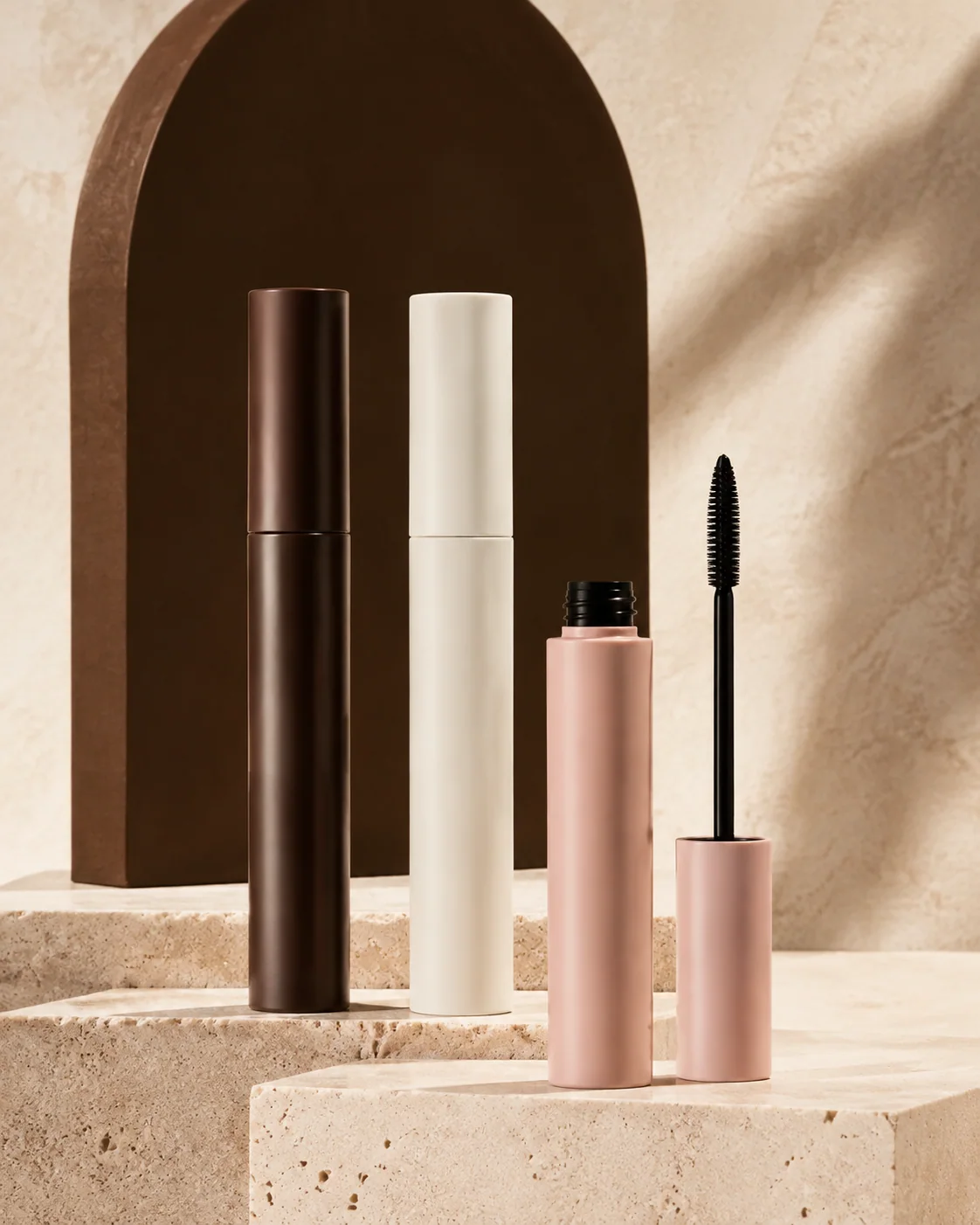
Include the neck, stem and closure in packaging checks. The wand should come out cleanly, the cap should close securely and repeated use should not leave the neck coated in product.
| Part | Review question | Record alongside the result |
|---|---|---|
| Formula | Does the deposit build and wear as intended? | Formula and shade code |
| Brush | Can the user reach and separate the intended lashes? | Brush code, geometry and flexibility |
| Wiper | Is the amount loaded practical and repeatable? | Wiper code and withdrawal observations |
| Tube and closure | Does repeated use remain clean and secure? | Component codes and fill specification |
03
Comparing samples without losing track
Change as few things as possible between comparison samples. For example, the development team could try several brushes with one formula, then refine the formula with the preferred brush. That makes it easier to see what caused an improvement.
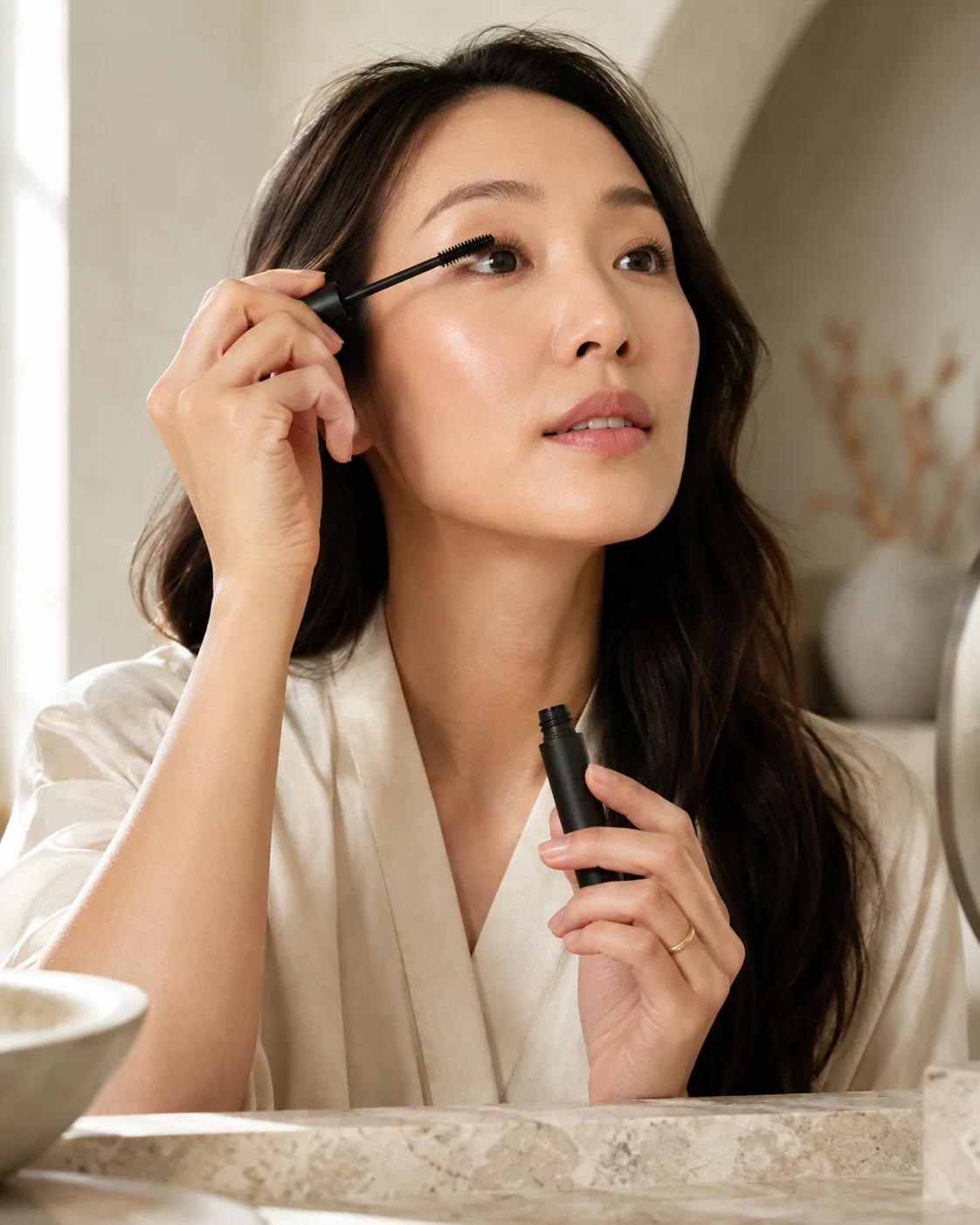
Record the full sample code, application technique and number of coats. Ask testers about the process as well as the result. A mascara that looks excellent after a careful professional application may be frustrating for someone getting ready in a hurry.
Agree the testing and hygiene arrangements with qualified professionals. Assign used units to individual testers, record concerns and do not share applicators. Customer preference testing does not replace the product’s safety assessment.
- One traceable code for the full formula-and-component combination.
- A defined application technique and number of coats.
- Separate feedback on control, reach, separation and appearance.
- A planned observation period for smudging and flaking.
- A documented removal method and any user concerns.
04
Checking wear and removal
Check what happens beyond the first application: smudging, flaking, loss of the desired shape and difficulty adding another coat. Record the wear time and conditions. A short indoor trial and a long, active day are not directly comparable.
Waterproof, water-resistant and tubing are different descriptions. Confirm how the selected formula is meant to perform and be removed, and what evidence supports those claims. Avoid copying a claim from a supplier’s category name.
A cleansing balm or oil may be a useful companion product, but only recommend the pairing after checking the use directions and removal performance. A cleanser that removes face makeup is not necessarily suitable around the eyes.
05
Eye-area safety and claims
FDA eye-cosmetic safety guidance warns against sharing eye makeup or adding water or saliva to mascara. Consumer instructions should make correct use clear, without suggesting ways to revive a dried-out product.
FDA colour-additive rules also require specific permission for eye-area use. Permission for another cosmetic application is not enough.
Microbiological results, stability tests and packaging compatibility belong in the quality review before release. Claims about sensitive eyes, contact-lens suitability or lash growth need their own assessment; positive feedback from a few testers cannot establish them.
06
Approving the version you will manufacture
Record the approved formula, shade, brush, stem, wiper, tube, fill and artwork together. Keep labelled reference units. If a component becomes unavailable, assess the replacement before accepting it, even if it looks identical in a catalogue.
OEM manufacturing may suit a defined formula or product specification; ODM development may suit a new concept. Confirm sample rounds, testing, quantities and component lead times for the mascara itself.
A brow gel can complement the range, but its hold, dose and brush need separate testing. When you request mascara samples, keep that follow-on idea separate from the requirements for the first product.
Make the next step useful
Bring the right details to your first product conversation.
Share your product category, target market, packaging direction, expected quantity and timing. Luxa can help turn those inputs into a more practical development route.
Discuss your product brief