Luxa journal · manufacturing guide
Cream vs Liquid vs Powder Blush: Choose Your Launch Format
Choose between cream, liquid and powder blush. Compare blending, colour payoff, packaging and sample results for your beauty brand.
In this guide
A liquid blush may look beautiful in a demo but dispense more colour than a beginner can blend. A cream stick may be convenient in a bag but pull at the foundation underneath. Powder has its own questions about pickup and finish. Choosing a blush format starts with these small, everyday details: how customers apply it, how easily they can adjust the colour and how it works with the rest of their makeup.
Every product is shaped by its formula, claims, packaging, target market and sales channel. Use this guide to prepare a sharper manufacturing conversation, then confirm technical, legal and regulatory requirements for your specific launch.
At a glance
Guide essentials
Choose by
Routine and application preference
Compare
Dose, blending and colour build
Validate
Across intended skin tones
Avoid
Unverified multi-use positioning
01
Comparing cream, liquid and powder
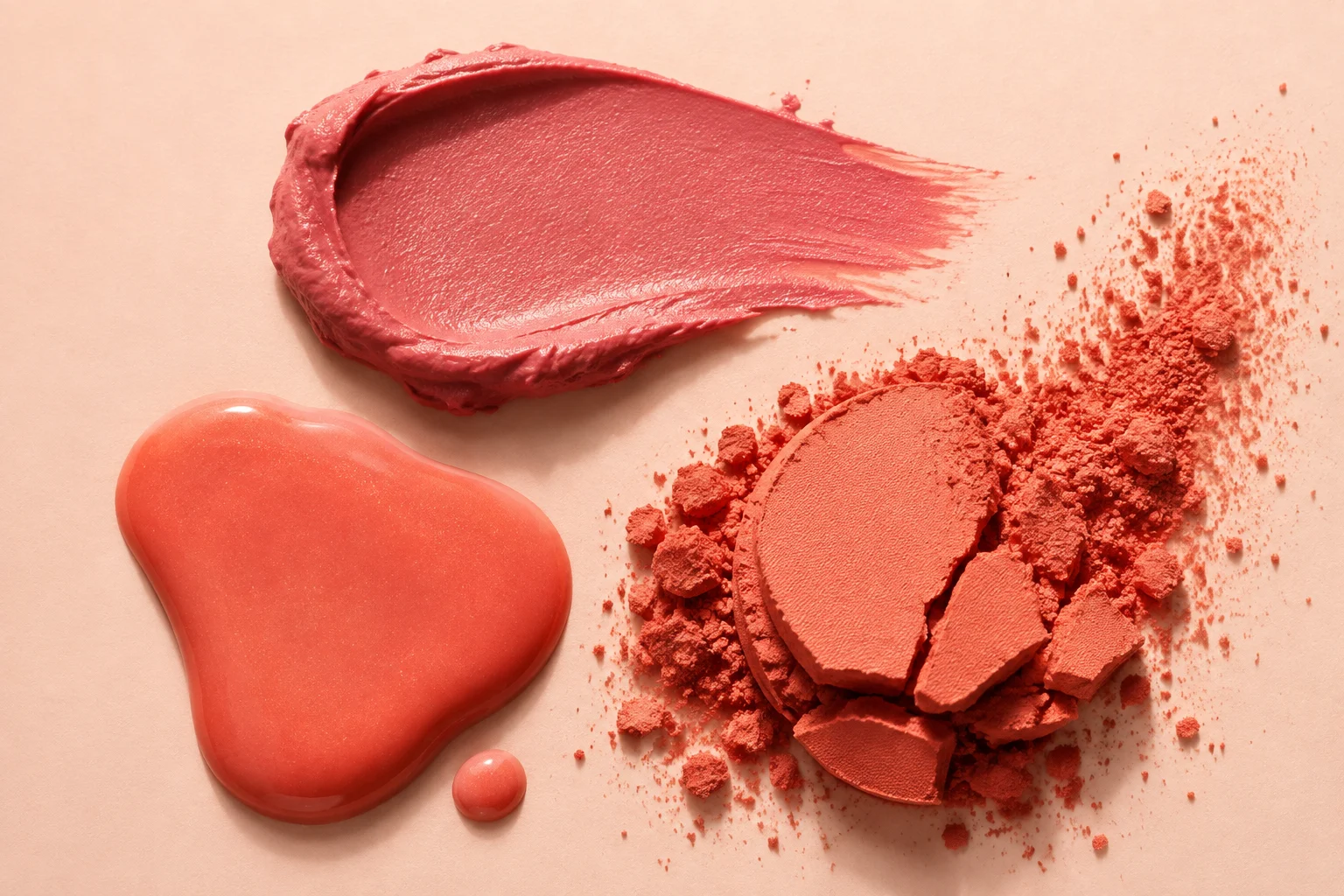
Cream blush is often applied from a compact or stick, liquid from a pump, tube or applicator, and powder from a pan. Each suits a different way of working with fingers, brushes or sponges. Think about the tools your customers already use.
Texture names do not guarantee a finish. A cream need not be dewy, a liquid need not be intensely pigmented, and a powder need not be matte. Check the blended result and how easily a second layer builds without patchiness.
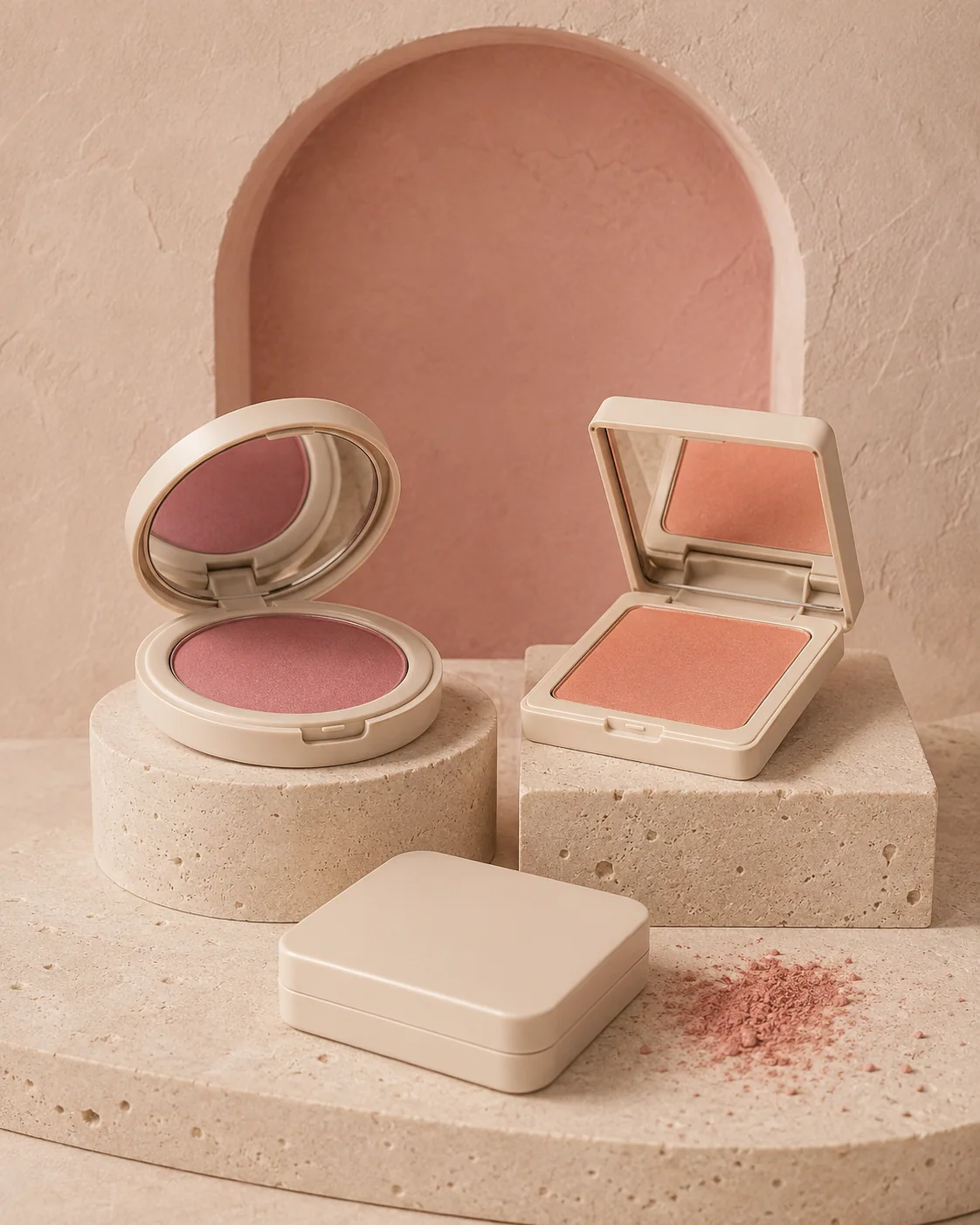
A private label blush collection can begin with any of these formats. Sample the most relevant options first; there is little reason to launch all three unless customers have a clear use for each.
| Format | Customer interaction | Development questions |
|---|---|---|
| Cream | Pick up from a compact or apply from a stick | Does it glide, blend and layer without lifting the base? |
| Liquid | Dispense or lift a small amount before blending | Is the dose controllable and the blending window practical? |
| Powder | Pick up from a pan with a suitable tool | Is pickup even, and does the pan tolerate intended handling? |
02
How customers will use the blush
For a quick daily routine, forgiving application may matter most. A makeup artist may want precise layering and a wider choice of colours. A travel product needs a secure, portable pack. These differences help narrow the format before you start selecting shades.
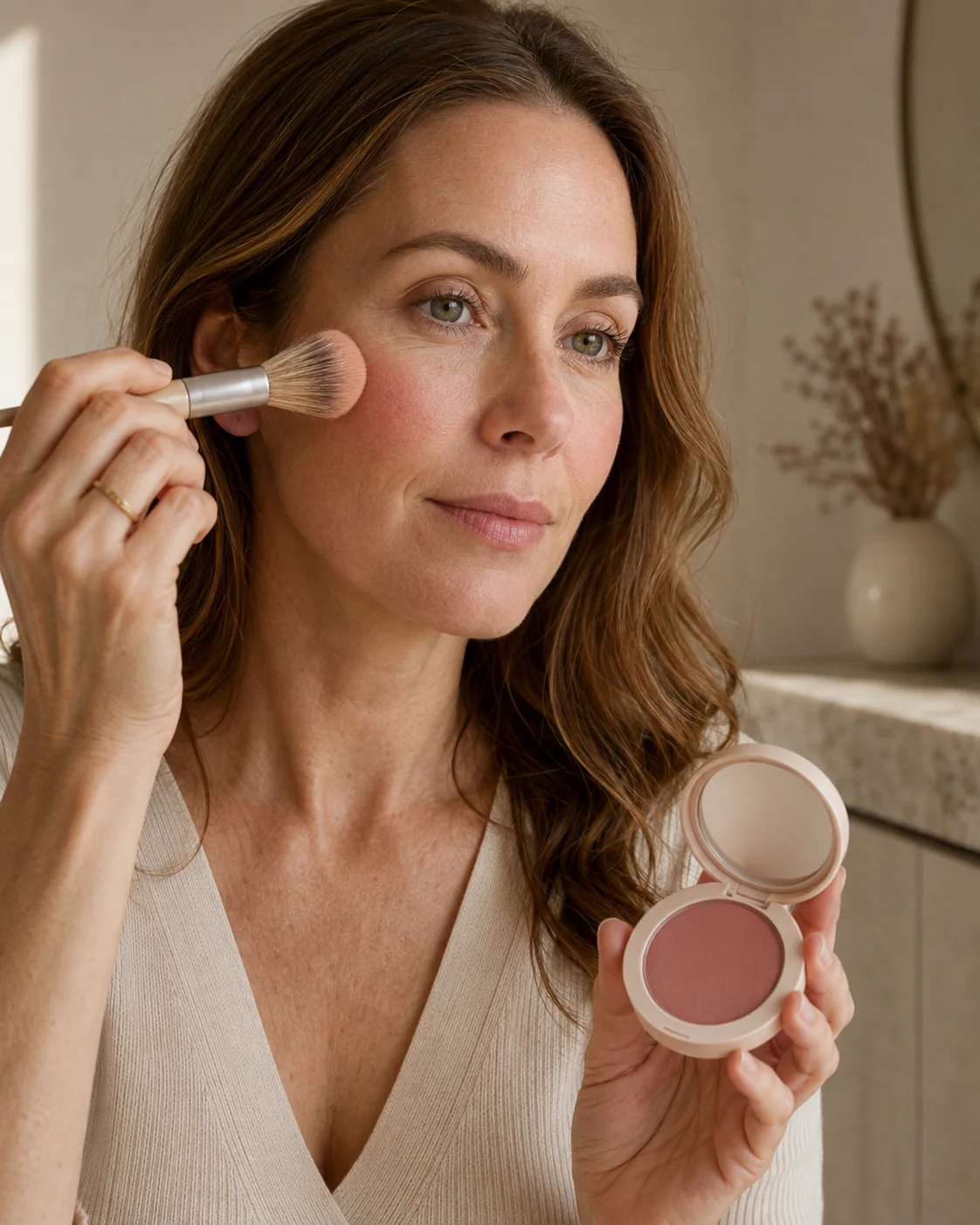
Test the blush as it will be worn: on bare skin where appropriate, over foundation or after setting powder. Record the preparation and tools. If it blends well in one routine but not another, the instructions may need to be more specific.
Check how the blush sits over foundation and concealer from the same collection. Does it lift the base, catch on dry areas or leave an abrupt edge? When planning complexion shades, include the blush combinations you want to show in campaign images.
03
Testing colour on different skin tones
A colour that looks bold in the pan can disappear after blending. The same amount may look subtle on one skin tone and overpowering on another. Test across the skin tones you plan to serve, rather than approving the collection from one person’s arm swatches.
Use a consistent amount, then ask how easily testers can reach the look they want. Can they build another layer? Do they need to remove excess colour? Difficulty controlling a liquid blush may come from the dispenser as well as the formula.
Compare neighbouring shades after blending. If two look almost identical, consider whether both need a place in the first order. A smaller collection with useful differences is easier for customers to shop.
- Controlled application amount and tool.
- Shade visibility before and after blending.
- Ease of building a second layer.
- Interaction with the intended complexion products.
- Panel coverage that reflects the customers the brand claims to serve.
04
Choosing a pack that controls application
For liquid blush, check the amount released in one pump or lifted on the applicator. The pack should make a small application easy. Test it filled with the actual formula, including repeated use and cleanup around the opening.
For cream compacts and sticks, check pickup, cap security and how the filled product holds up under the agreed storage conditions. For powder, review pan fit, brush pickup, surface changes and protection in transit. The technical team should set the tests and pass criteria.
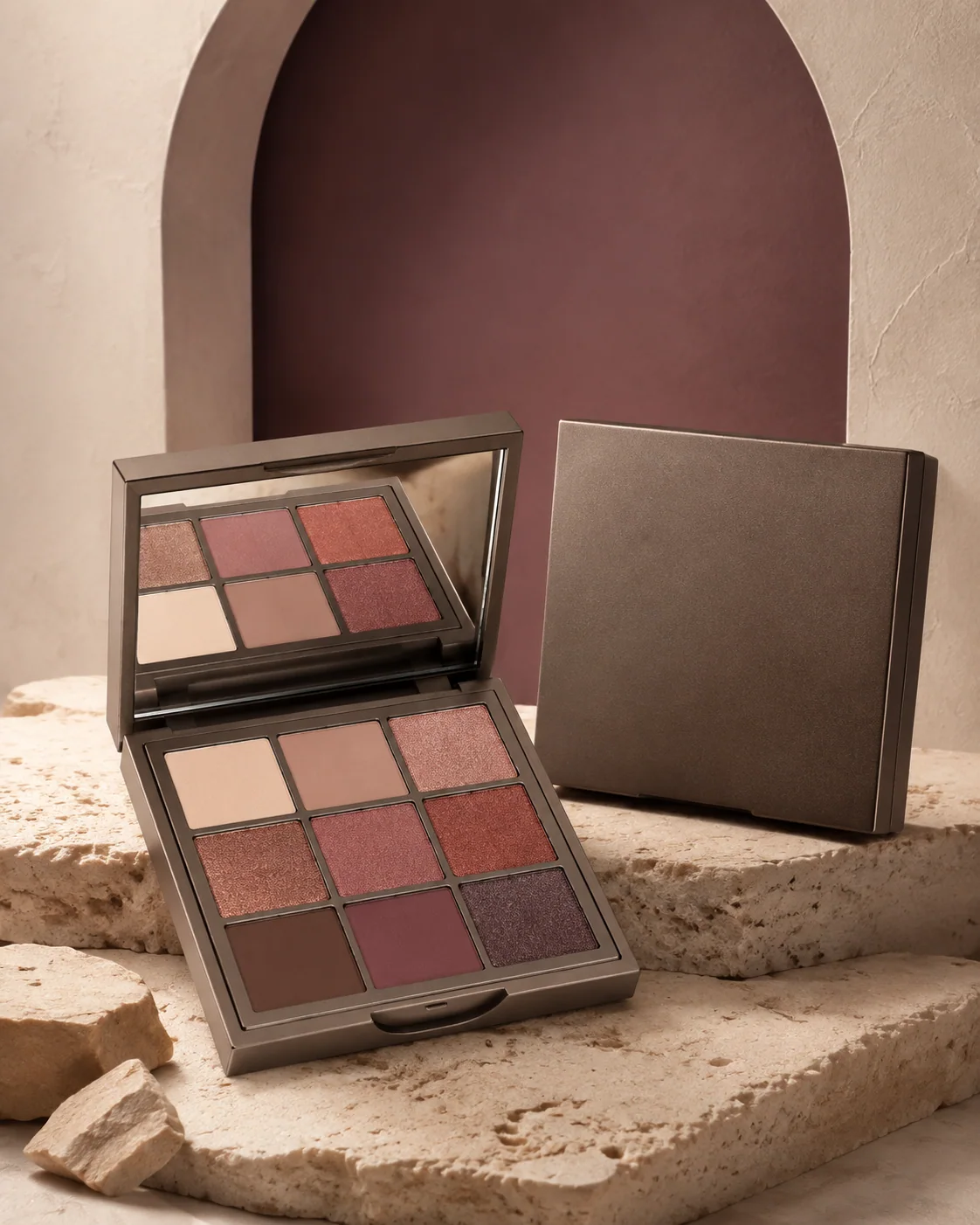
Keep packaging choices practical even when coordinating a collection. A blush compact and an eyeshadow palette can share colours and finishes, but each still needs components suited to its formula and use.
05
Checking multi-use and performance claims
Blush is not automatically suitable for lips or eyes. FDA colour-additive guidance distinguishes permission for those areas. Check the finished formula and every proposed application before calling it multi-use.
A dry powder or waterless cream still needs an appropriate safety assessment. As FDA testing guidance explains, safety evidence must support the product being sold.
Claims such as “long-wearing”, “non-comedogenic” or “suitable for sensitive skin” need supporting evidence. Review the test records and wording during quality and compliance checks, before printing cartons or sending descriptions to retailers.
06
Choosing the first format to launch
Compare customer feedback, sample results, packaging costs and minimums per shade. Allow time and budget for photography, testers and instructions too. Three formats in several colours can quickly become a much bigger launch than expected.
An established formula may suit private label production. A particular texture or application idea may need custom development. Ask what is already available to sample and what would require new work.
When you request a blush quote, include the format, finish, shade references, pack and quantity per shade. Mention any multi-use claims at the start so they can be assessed before the formula and artwork are settled.
Make the next step useful
Bring the right details to your first product conversation.
Share your product category, target market, packaging direction, expected quantity and timing. Luxa can help turn those inputs into a more practical development route.
Discuss your product brief